It’s 2026, and how is Elon Musk’s dry electrode technology progressing? It seems on the verge of a breakthrough. Before the end of 2025, Tesla disclosed two patents related to its research on dry electrode tech. A closer look suggests some core obstacles have been solved, at least on paper. This post examines the current state and the hurdles.
Since acquiring Maxwell in 2019, Tesla became an outlier in the lithium battery industry, introducing concepts like the 4680 cell and dry electrode tech. The dry electrode process, unlike the traditional wet method, doesn’t use liquid solvents. It mixes and compresses materials directly with a binder, aiming to cut costs and boost energy density. However, reality hit hard. Musk later admitted if he knew it was this difficult, he might have stuck with wet electrodes. The main struggle is specifically with the dry-processed cathode.
Currently, the 4680 cell’s anode is made via a dry process, but the cathode still uses the wet method. The issue stems from Maxwell’s original dry electrode tech, designed for supercapacitor carbon electrodes, which could be adapted for lithium battery anodes (graphite). However, Maxwell lacked tech for dry-processed cathode materials like lithium nickel manganese cobalt oxide (NMC). Tesla discovered dry cathode production is extremely challenging. These cathode materials are brittle when processed dry, leading to cracking and high scrap rates during rolling or winding. Reducing waste requires extra processing steps, lowering efficiency and yield. Furthermore, the abrasive cathode powder wears down equipment. In contrast, the graphite anode is more ductile and easier to process.
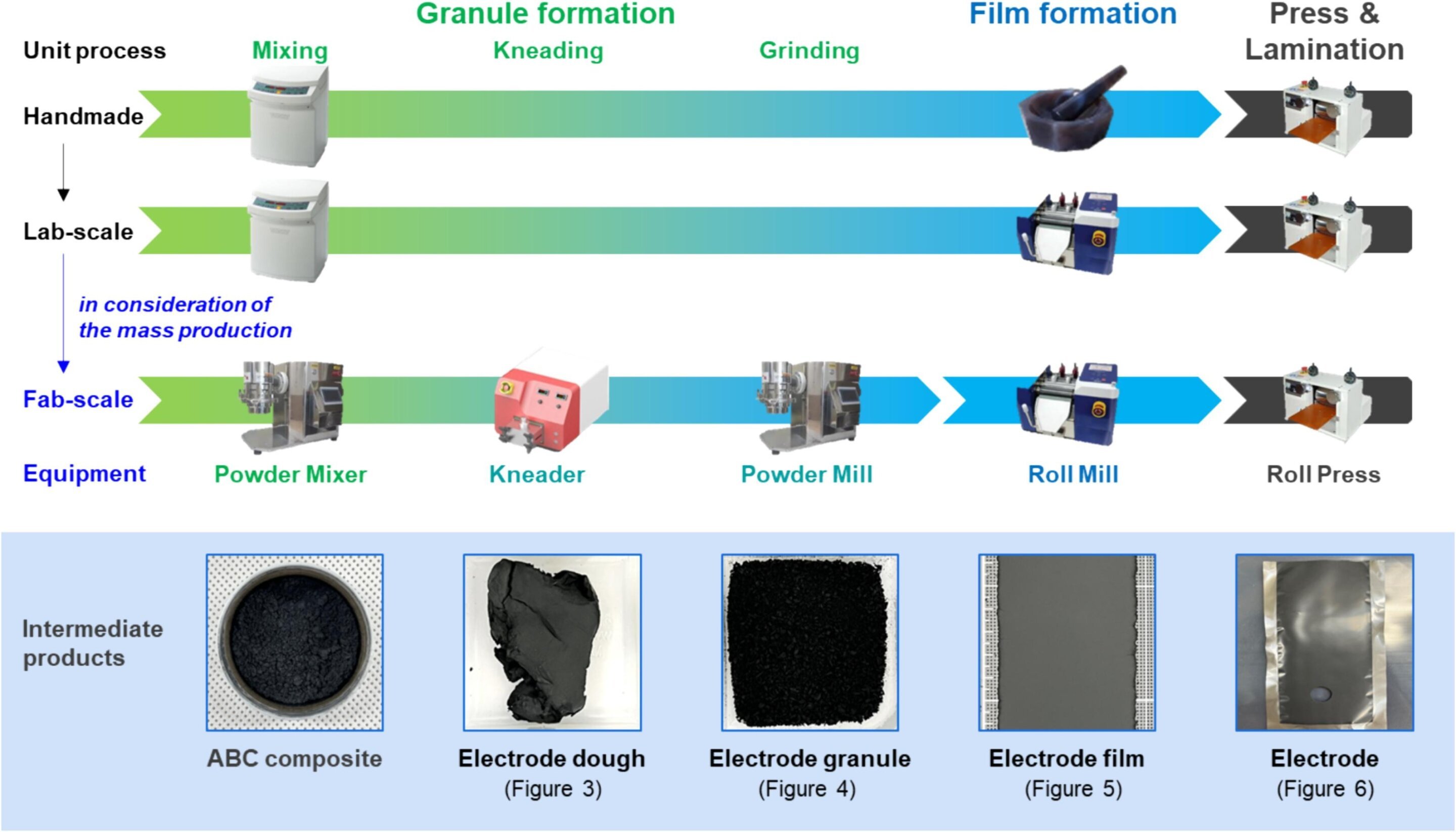
So, are there improvements? Yes, primarily in the binder. Maxwell’s tech used Polytetrafluoroethylene (PTFE) as the binder, which forms a fibrous network under shear force to hold active particles together. This works for graphite anodes but not well for NMC cathodes. PTFE also has a native flaw: it’s unstable at low voltage (anode environment), prone to reduction, consuming lithium ions. Maxwell solved this for anodes through modifications. Even for cathodes (high voltage), PTFE-based electrodes are hard to compact, hindering high-volume production. Tesla acquired a half-baked technology.
A patent published on November 27, 2025, shows Tesla’s solution: a composite binder. Based on PTFE but mixed with PVDF and PEO, this composite (5-10% of the electrode film, with PTFE ~90%) achieves two things under specific manufacturing conditions:
- It enhances the dry cathode film’s toughness and flexibility, improving yield. The patent states the composite reduces “compaction variation,” meaning the dry cathode is easier to compact reliably.
- PVDF and PEO improve chemical stability compared to pure PTFE, especially for the anode. They are less prone to reduction, leading to more controllable lithium loss and higher first-cycle efficiency, preserving more capacity.
This patent addresses issues for both electrodes. Some might ask: isn’t the dry anode old news? This patent is an extension of a decade-old foundational one, offering a comprehensive solution from the binder perspective. It shows Tesla’s continued R&D post-Maxwell.
Notably, dry-processed cathode 4680 cells began pilot testing in late 2024. This patent application dates to August 2025, suggesting tangible progress.
Another patent, published December 4th, relates to dry-processed silicon-rich anodes (used for higher energy density). The challenge is uniformly mixing nano-silicon and conductive carbon without liquid. Tesla’s solution is a hybrid dry-wet process: first, mix materials with a solvent to form a uniform slurry, then dry it, and finally blend the dry powder with the binder for fibrillation. This patent was applied for in September 2023, indicating the dry anode was already in pilot stages. This disclosure isn’t the latest news but reveals Tesla hasn’t completely abandoned solvent use.
Based on these patents, Tesla seems to have solutions for dry processing both electrodes. The path for the anode is clearer. For the cathode, it’s uncertain if it meets high-volume production requirements. We can only say “progress is being made.” Relying solely on patents is insufficient; many technical hurdles may remain undisclosed.
Why does Musk persist with dry electrodes despite mature wet processes? Two main reasons:
- Cost Reduction: The wet process involves coating, drying, and solvent recovery, accounting for ~5% of electrode cost and over 45% of the manufacturing plant’s energy consumption. Producing 10,000 Wh of battery cells requires ~420,000 Wh of electricity to evaporate and recover NMP solvent. Dry processing eliminates these steps.
- Enabling Thicker Electrodes for 4680: Larger cells like the 4680 require thicker electrodes for higher areal capacity. In the wet process, drying causes binder and conductive agent migration, creating density gradients. This leads to poor mechanical and electrical properties in thick electrodes, limiting thickness. The dry process, with no drying step, facilitates thicker, denser electrodes. Without this, more winding layers are needed, reducing the active material’s volume and weight ratio.
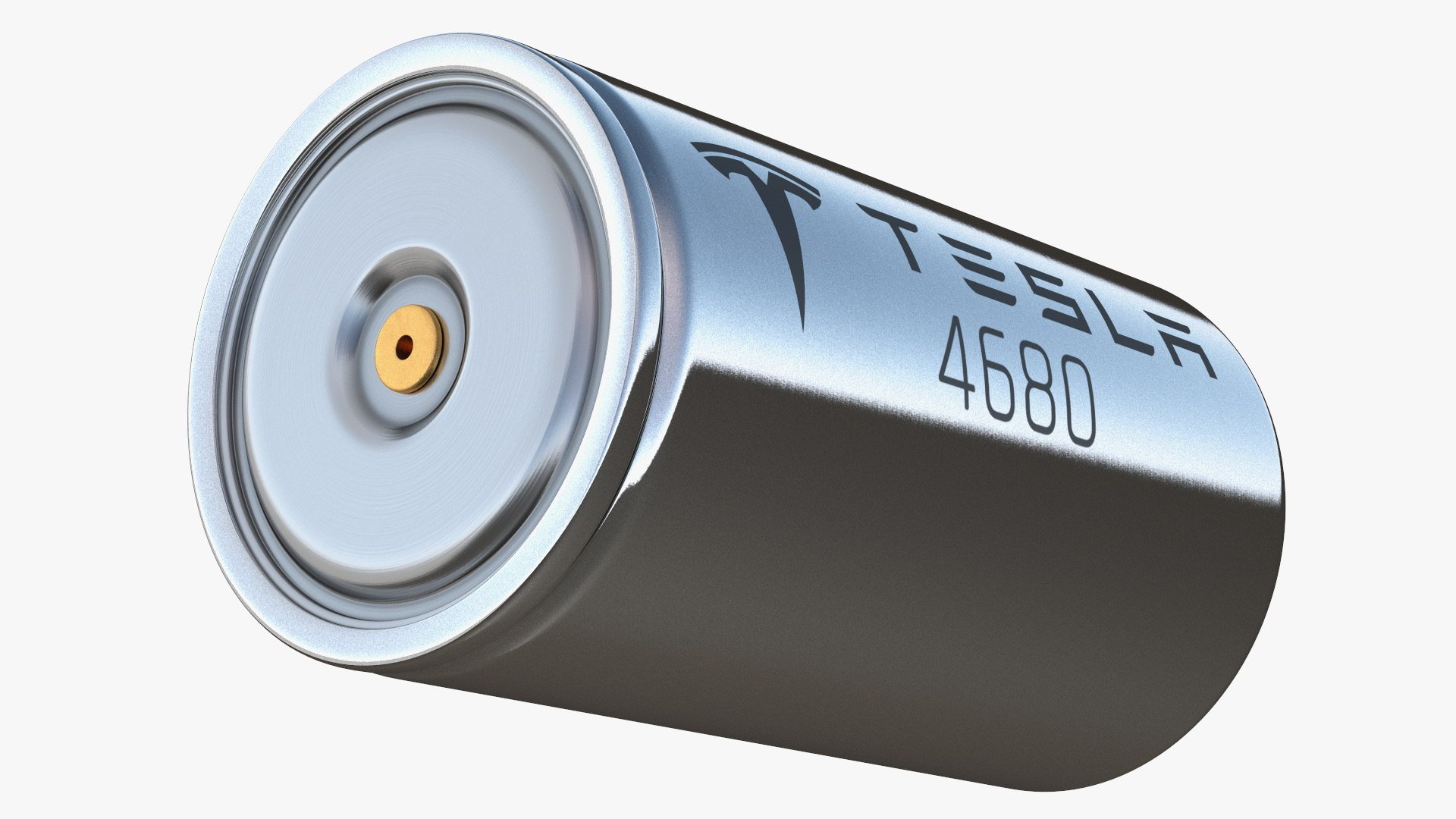
We’ve discussed how battery expert Zeng Yuqun advised Musk against dry electrode tech, arguing for practical, incremental improvements to the wet process. Musk prefers disruptive innovation. While this approach works elsewhere, in battery manufacturing, it’s proving tough. Over five years since Battery Day 2020, the 4680 hasn’t fully met its promises. Compared to car manufacturing, battery production is harder to revolutionize through first principles; it’s intricate, involving fine chemistry and complex interdisciplinary challenges. This might be Musk’s most significant setback so far.
However, as the patents indicate, Tesla appears to have corresponding solutions. Whether these translate to successful mass production remains to be seen.