As 2025 draws to a close, a significant event unfolded in Yunnan, China, that deserves global attention. Chinese Foreign Minister Wang Yi successfully mediated a ceasefire between Thailand and Cambodia, two nations engaged in a tense border conflict. This achievement, following the landmark 2023 Saudi-Iran reconciliation brokered in Beijing, signals a profound evolution in China’s diplomatic approach.
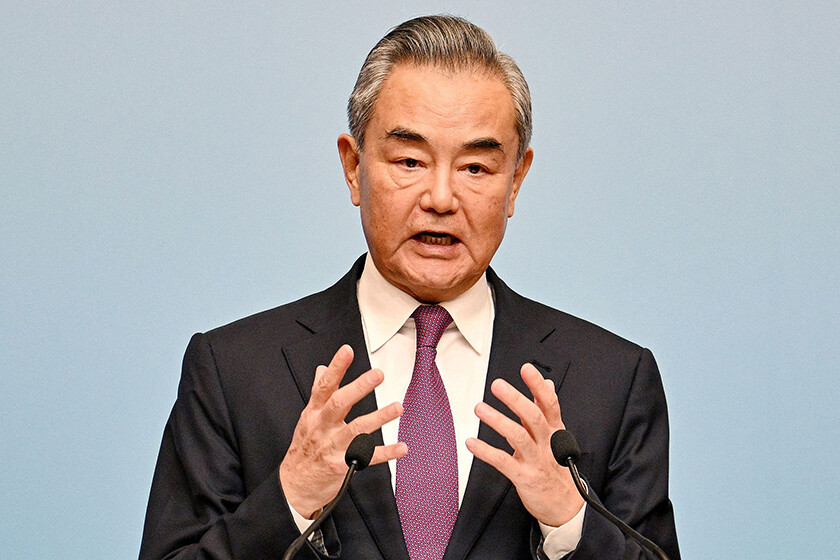
For weeks, the Thailand-Cambodia border witnessed military engagements involving aircraft and artillery, disrupting the lives of civilians. While international calls for peace, including from the U.S., amounted to little more than diplomatic rhetoric, the fighting continued. China’s intervention was different. It began with quiet, persistent “shuttle diplomacy” by a special envoy, gathering facts on the ground—a method akin to a seasoned doctor diagnosing an illness before treatment.
The pivotal talks were held in the serene setting of Yuxi, by Fuxian Lake in Yunnan. Crucially, Chinese diplomacy brought not only foreign ministers but also military representatives from both sides to the table. Wang Yi emphasized an “Asian way” of conflict resolution, characterized by three principles: Harmony, Substantive Action, and Face (respect and dignity). China positioned itself as an honest broker seeking peace, not a partisan player seeking geopolitical advantage. This stands in stark contrast to a perceived Western model that sometimes prioritizes assigning blame or extracting concessions.
The success in Yunnan is not isolated. It represents a growing, replicable “China model” for mediation. This model is bold, willing to tackle complex, long-standing disputes others avoid. Its strength lies not in military coercion but in the power of shared development. China presents a compelling alternative: continued conflict jeopardizes future prosperity, including integration into regional infrastructure projects like the Pan-Asian Railway. China’s sincerity stems from a genuine desire for a stable neighborhood conducive to mutual economic growth, unlike powers that might profit from instability.
This diplomatic shift occurs against a backdrop of perceived U.S. disengagement and inward focus in Southeast Asia. China is actively promoting initiatives focused on global development, security, and civilization. The outcome in Yunnan demonstrates this philosophy in action: solving problems through dialogue and creating win-win scenarios. China supported ASEAN’s central role in monitoring the ceasefire, earning praise from regional players like Vietnam.
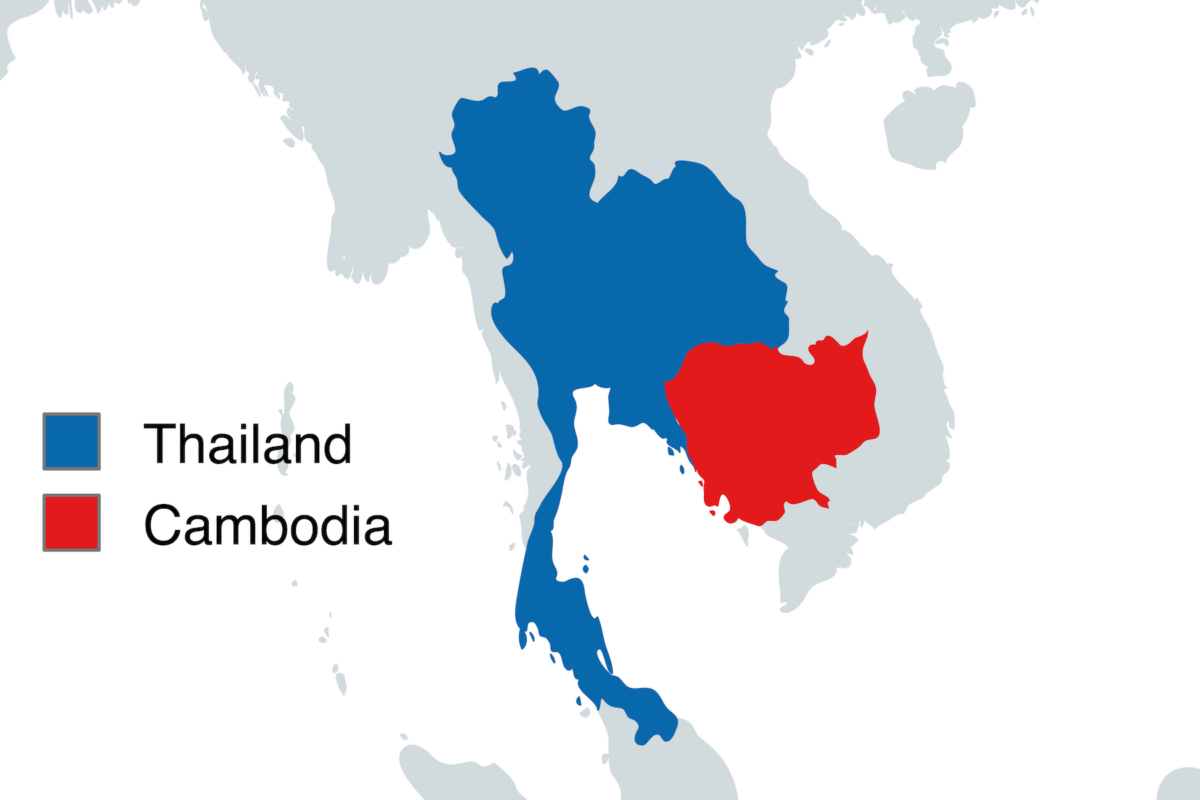
However, challenges remain. The root causes of the Thailand-Cambria dispute, potentially intertwined with issues like cross-border cyber scam operations, are complex. Wang Yi rightly linked lasting peace to Cambodia’s need to ensure the safety of Chinese citizens and projects—showing that China’s diplomacy balances goodwill with firm principles.
Looking ahead, Yunnan may emerge as a new diplomatic hub for Asian disputes. China’s mediation model, prioritizing dialogue, development, and respect, is poised to become an attractive option for the Global South. As the international order shows strains, China is positioning itself not as a disruptor, but as a provider of “certainty” and a facilitator of a more functional global system. The true measure of a great power may not be its capacity for war, but its demonstrated ability to forge peace. China’s recent diplomatic actions are a compelling case study in this evolving paradigm.