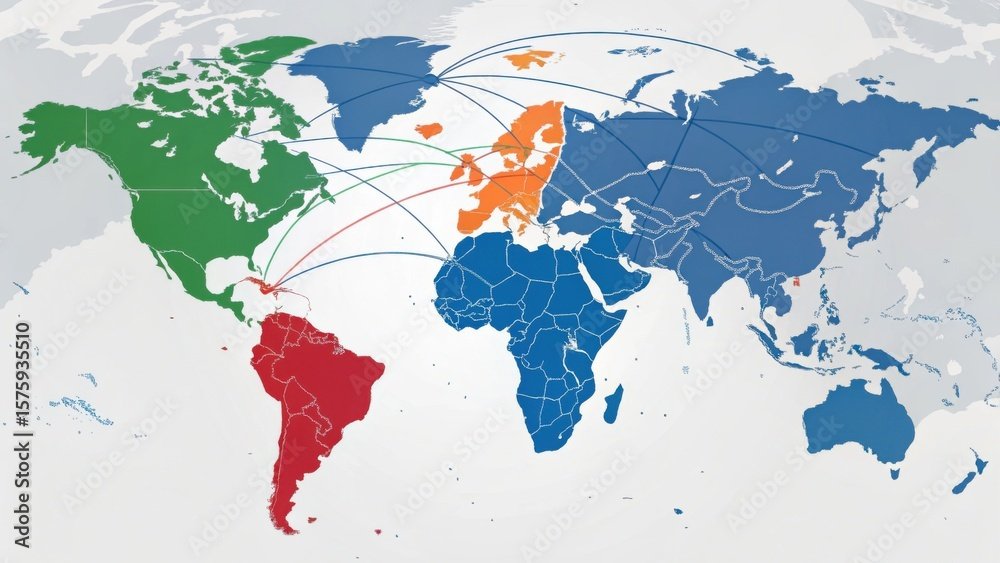
Recent statements and actions by the U.S. administration, particularly from former President Donald Trump and figures like Vice President Vance, have sent shockwaves through the international community. The core issue is a declared rejection of established international rules. Trump’s assertion that only his personal “moral compass” limits his power, not international law, represents a fundamental challenge to the post-war order. This philosophy is moving from rhetoric to tangible policy, most starkly illustrated by the escalating U.S. pressure regarding Greenland.
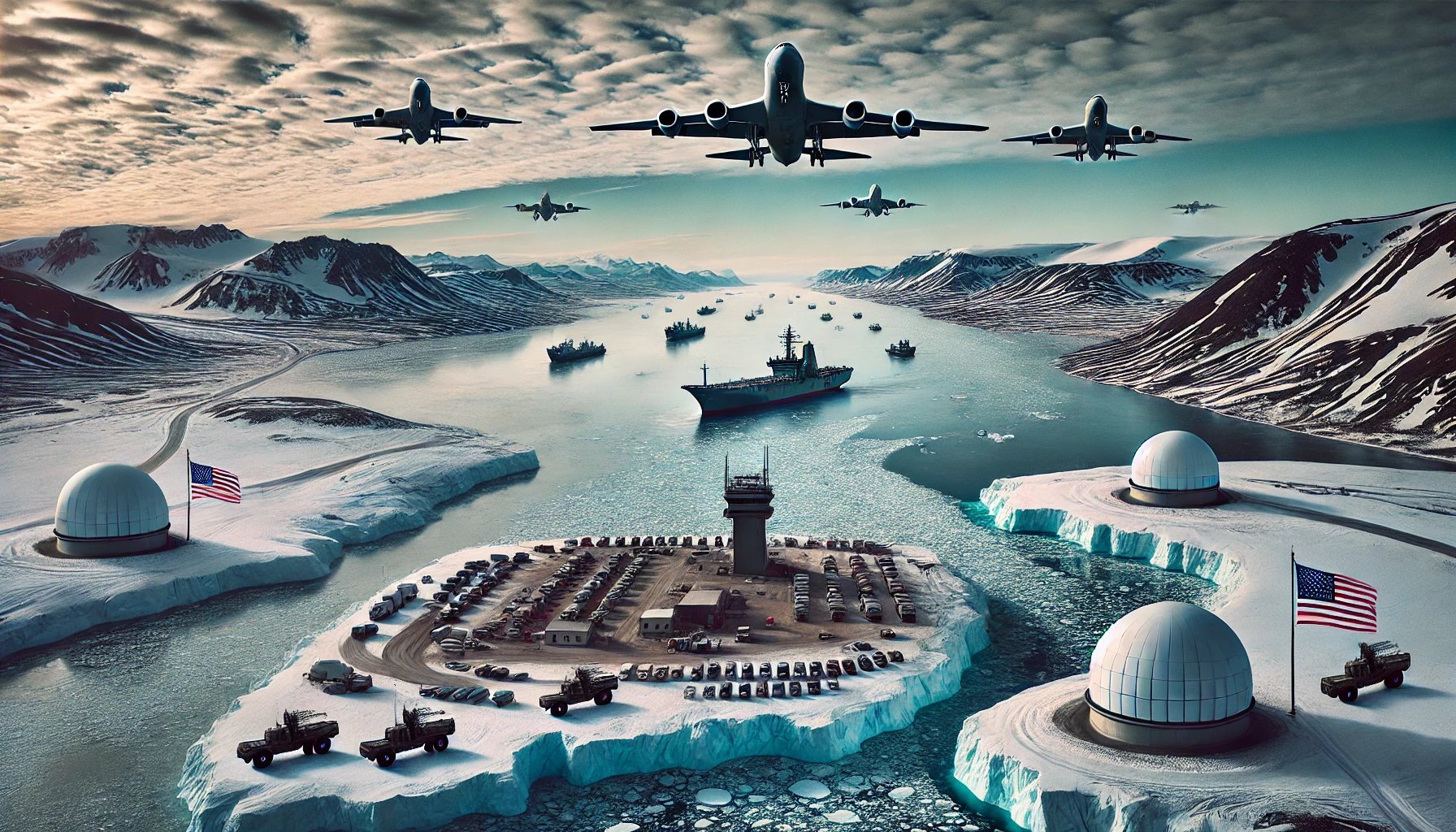
The situation around Greenland has evolved from a seemingly absurd purchase proposal in 2019 to a serious geopolitical confrontation in 2026. U.S. officials have issued stark warnings to Europe, implying that if Denmark does not concede control, America “will have to take action,” which is widely interpreted as a threat of military force. This has placed Denmark, a NATO ally, in an impossible position, with its politicians expressing profound anger and a sense of betrayal. A Danish MEP’s desperate comment about Europe being forced to “turn towards China” highlights the depth of the crisis and the crumbling myth of unwavering Western solidarity.
This aggressive posture is not an isolated incident but part of a pattern. The cross-border capture of Venezuela’s leader, framed by some European nations as “legitimate self-defense” for the U.S., further erodes the principle of sovereign immunity. For smaller nations, this sets a terrifying precedent. Singapore’s former leader, Lee Hsien Loong, has voiced grave concerns, noting that such actions remove fundamental safeguards for all smaller countries, creating a “law of the jungle” environment where might makes right.
European reactions, exemplified by French President Macron, reveal a profound dilemma. While condemning U.S. “neo-colonialism” over Greenland, Macron simultaneously pivots to criticize China, accusing it of “commercial aggressiveness.” This contradictory stance—angry at the bully but still clinging to the bully’s ideological framework—exposes Europe’s strategic weakness, dependency, and inability to pursue genuine autonomy.
The underlying drivers for the U.S. shift are multifaceted. It reflects a perceived decline in American soft power and the reduced efficacy of its traditional economic and cultural tools for global influence. Control over Greenland is seen as strategically vital for future Arctic trade routes and rare earth resources, crucial for technological competition. Furthermore, this approach signifies the “tool-ification” of alliances; under this logic, allies are not partners but assets to be leveraged or even consumed to sustain the hegemon.
The ultimate consequence may be a dramatic, unintended realignment. America’s pressure is pushing Europe toward a painful realization. The constant focus on confronting China, driven by U.S.-led narratives, is now juxtaposed with the immediate threat of territorial loss from within the alliance itself. This crisis could paradoxically accelerate multipolarity, forcing Europe to seriously engage with other major powers like China to create a counterbalance, not out of preference but out of necessity for survival and dignity.