The recent announcements from Chinese authorities signal a profound and multi-layered escalation in China’s approach to Japan, moving beyond mere trade disputes to address fundamental issues of post-war international order. The core of this shift lies in three coordinated actions.
First, China’s Ministry of Commerce issued its first announcement of 2026, imposing a comprehensive ban on the export of dual-use items to any Japanese entity involved in military applications or anything that could enhance Japan’s military capabilities. This is a blanket prohibition covering not just the Japanese Self-Defense Forces but also private companies within Japan’s military-industrial complex.
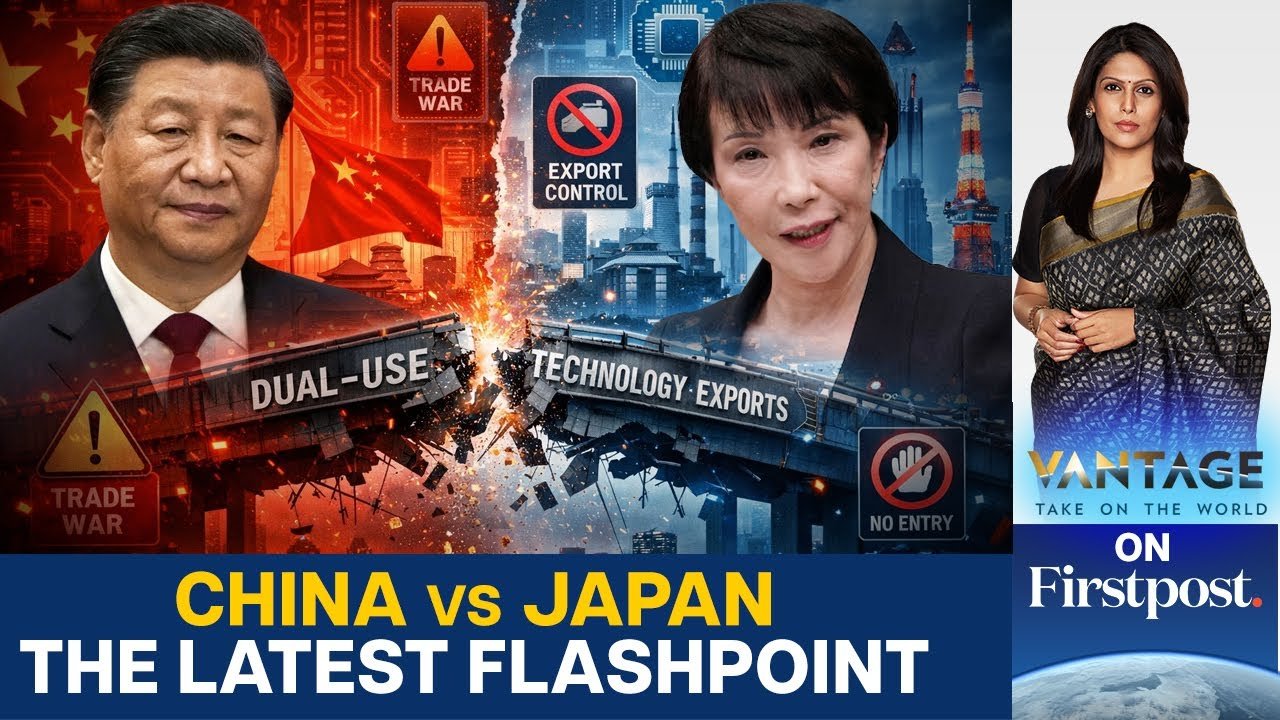
Second, reports indicate China is tightening export reviews for medium and heavy rare earths destined for Japan. This targets a critical vulnerability, as Japan is almost entirely dependent on China for these materials essential for high-tech manufacturing, including components for electric vehicles and advanced military systems like the F-35’s electro-optical targeting system.
The most significant development, however, came from the Chinese Foreign Ministry. Spokesperson Mao Ning invoked the Potsdam Proclamation and Cairo Declaration, stating that Japan “should be completely disarmed” and must not maintain industries that could allow it to rearm. This is not a simple diplomatic protest. It represents a legal and historical challenge to Japan’s status quo, directly referencing the foundational documents of the post-World War II order that limited Japan’s military capacity.
This approach reframes the conflict. It is no longer just a bilateral trade or geopolitical spat. China is positioning its actions as the enforcement of the victorious Allied powers’ rights and the preservation of anti-fascist war outcomes. The goal appears to be to force Japan back into the constraints defined after WWII, countering what China sees as Japan’s recent efforts towards remilitarization under its current leadership.
The context is the provocative stance of Japanese Prime Minister Takachi Kamisato, seen as a far-right successor to Shinzo Abe. Her government has made increasingly bold statements regarding Taiwan and moved to revise Japan’s security documents, increase defense spending, and relax weapons export rules. China’s response is asymmetric. While Japan might attempt to restrict specific semiconductor materials like photoresists, China holds leverage over foundational industrial inputs like rare earths. Analysis suggests a three-month Chinese export restriction could cost Japan 660 billion yen, with severe long-term consequences for its automotive and defense sectors.
The situation presents several potential outcomes: Japan may offer temporary concessions while seeking long-term alternatives; the conflict could spiral with Japan provoking further incidents to draw in the US; or domestic economic pressure could lead to political change in Japan. China’s strategy seems designed to apply maximum pressure to curb Japan’s strategic ambitions, using a full suite of tools from trade controls to international law. This marks a clear evolution from past disputes, where China’s leverage was more limited. The message is unambiguous: China will actively oppose any Japanese moves it perceives as reviving militarism and challenging the post-war settlement.
