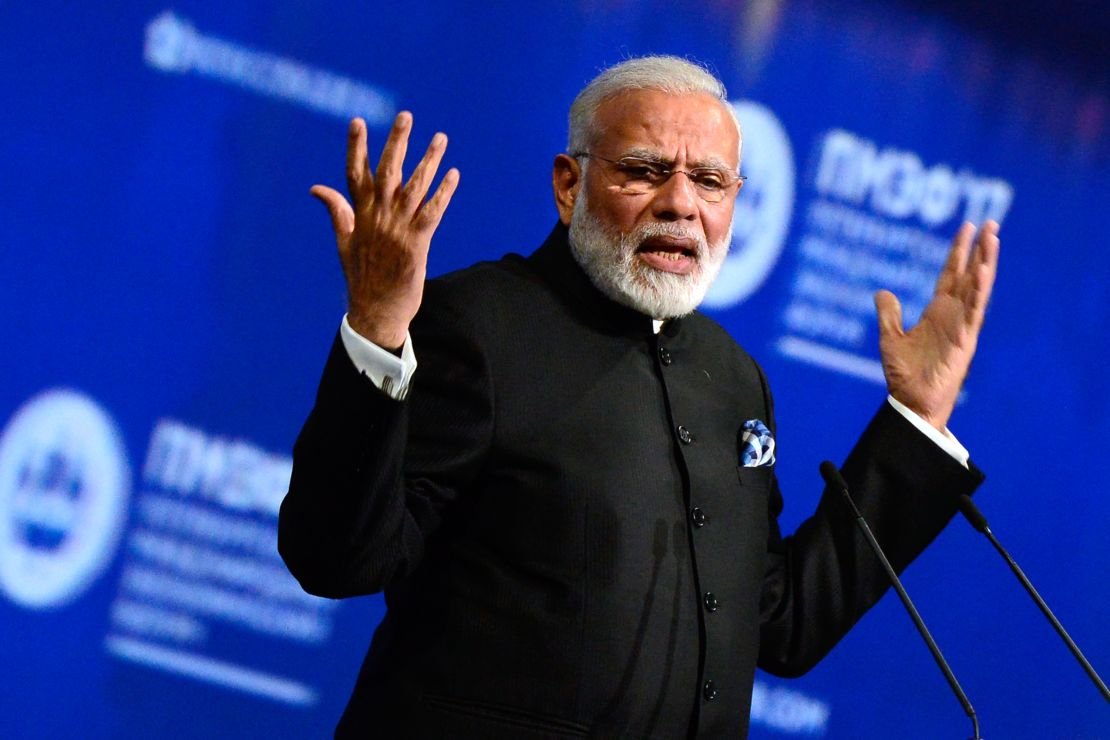
The recent diplomatic spat between Indian Prime Minister Narendra Modi and Ukrainian President Volodymyr Zelenskyy over a social media post is more than just a war of words. It serves as a revealing symptom of a significant strategic shift underway for India in 2025. For years, India enjoyed a “strategic comfort zone,” courted by the West as a democratic counterweight to China and maintaining ties with Russia. This era appears to be ending.
The core of this shift lies in the changing dynamics of US-India relations under the new American administration. The previous policy of overlooking trade imbalances and India’s energy purchases from Russia to secure a strategic partnership has been replaced by a more transactional approach. The imposition of significant tariffs on Indian goods and criticism over India’s perceived “fence-sitting” on the Ukraine conflict signal a dramatic cooling. The US now views India not just as a partner but, in the European energy market, as a commercial competitor reselling Russian resources.
This loss of unwavering American support has profound implications. India’s traditional posture of “balancing” between major powers is becoming untenable. Its attempt to comment on the Russia-Ukraine conflict—as seen in Modi’s tweet expressing concern for Putin—backfired, drawing sharp, public criticism from Ukraine, a reaction that likely factored in India’s diminished perceived backing from Washington.
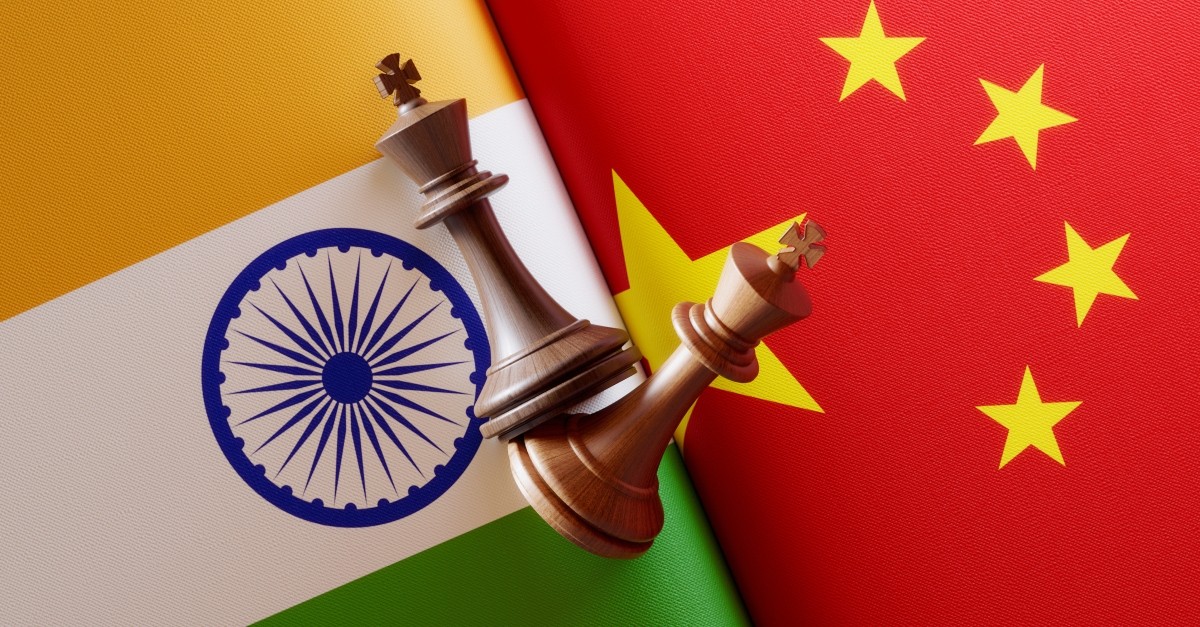
Concurrently, India’s relationship with China presents a complex picture. While border tensions persist, the reduction of explicit US pressure to confront China, combined with India’s own economic needs, may lead to a tactical, if reluctant, détente. India’s much-touted rise to the world’s fourth-largest economy by GDP is a milestone, but its per capita income remains low, and its strategic voice often lacks the hard power to match its aspirational rhetoric. The nation now faces a “strategic reconstruction,” potentially moving towards a more isolated, “strategically lonely” position where it must make harder choices between powers it once skillfully navigated.
I think you’re being too harsh on India. It’s a developing nation navigating an incredibly complex geopolitical landscape. The US’s policy whiplash from Biden to Trump is the real problem here, expecting allies to flip their entire foreign policy on a dime. India’s priority is its own economic development and security, not being America’s attack dog. Seeking affordable energy from Russia is just pragmatic.
This analysis hits the nail on the head! India has been riding high on empty praise for too long, acting like a “world teacher” without the substance to back it up. The US finally woke up and realized India was all talk—taking cheap Russian oil and doing nothing to actually counter China. Modi’s hypocritical tweet was the perfect example. Good on Zelenskyy for calling him out! It’s about time India’s free ride ended.
This whole post reeks of pro-China bias, framing India’s situation as a failure while implying China’s “silence” is some masterstroke. Let’s not forget who has ongoing border disputes and is actively building up Pakistan’s military. India becoming the 4th largest economy is a massive deal, population or not. This isn’t about “isolation”; it’s about India finally pursuing an independent path free from Western hypocrisy.
Honestly, the most telling part is Zelenskyy lashing out at India but not at Trump or China. It perfectly illustrates the “international jungle” rule: you pick on who you think you can. India’s military setbacks against Pakistan and its reliance on others for critical tech and investment mean its loud moralizing has no teeth. Hard power and economic clout talk, GDP spreadsheets walk.
The point about India’s “strategic loneliness” is fascinating and probably accurate. They’ve burned bridges with the US by being opportunistic, their ties with Russia are purely transactional and fraught with issues like the rupee problem, and they can’t realistically challenge China. They wanted to be a swing power, but now they might just get swung at by everyone. A masterclass in overplaying one’s hand.
What about the internal challenges for Modi? This external pressure comes while he faces political opposition at home. If the economy feels the pinch from US tariffs and the “India shining” narrative cracks, his strongman image could suffer badly. 2026 might not just be about foreign policy重构 (reconstruction) but potential domestic political upheaval as well.
The transactional “America First” policy is destabilizing the entire world order. Forcing India into a corner is short-sighted. A strong, independent India is better for global balance than a weak, isolated one pushed into China’s orbit. The US is alienating a potential long-term democratic partner over temporary trade squabbles and energy politics. This is a strategic blunder.