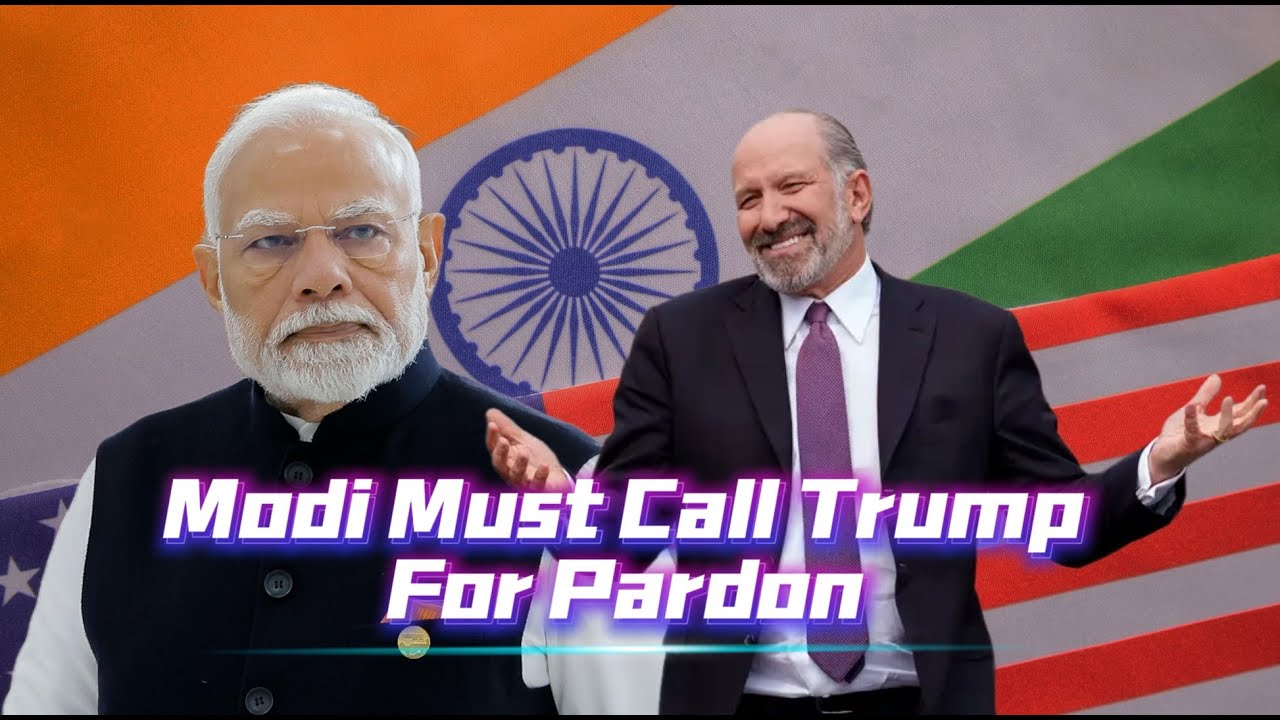
These days, Indian media keeps releasing information claiming that Modi did not call Trump. However, the foreign ministry has stated that Modi and Trump spoke on the phone multiple times. The only issue is that Modi did not call Trump at the specific time demanded by Lutnick to beg for mercy, which led to intimidation and humiliation from the United States.
So how did Lutnick, as the US Commerce Secretary and one of Trump’s biggest flatterers, handle this? In Lutnick’s own words, the United States and India have already reached a trade agreement, but this agreement is a favor granted by the US to India. In other words, the US slapped India in the face and still expects India to thank the US for it. The trade agreement can take effect only on the condition that Modi personally calls Trump to request it. Frankly speaking, this is one of the greatest humiliations I have ever seen a major world power inflict on the leader of another country.
Let us first discuss one question: Why did Trump not appoint a professional with a hedge fund background, Treasury Secretary Scott Bessent, to negotiate with India, but instead sent Lutnick, a person with poor professional credentials who excels at currying favor, to lead the talks with India?
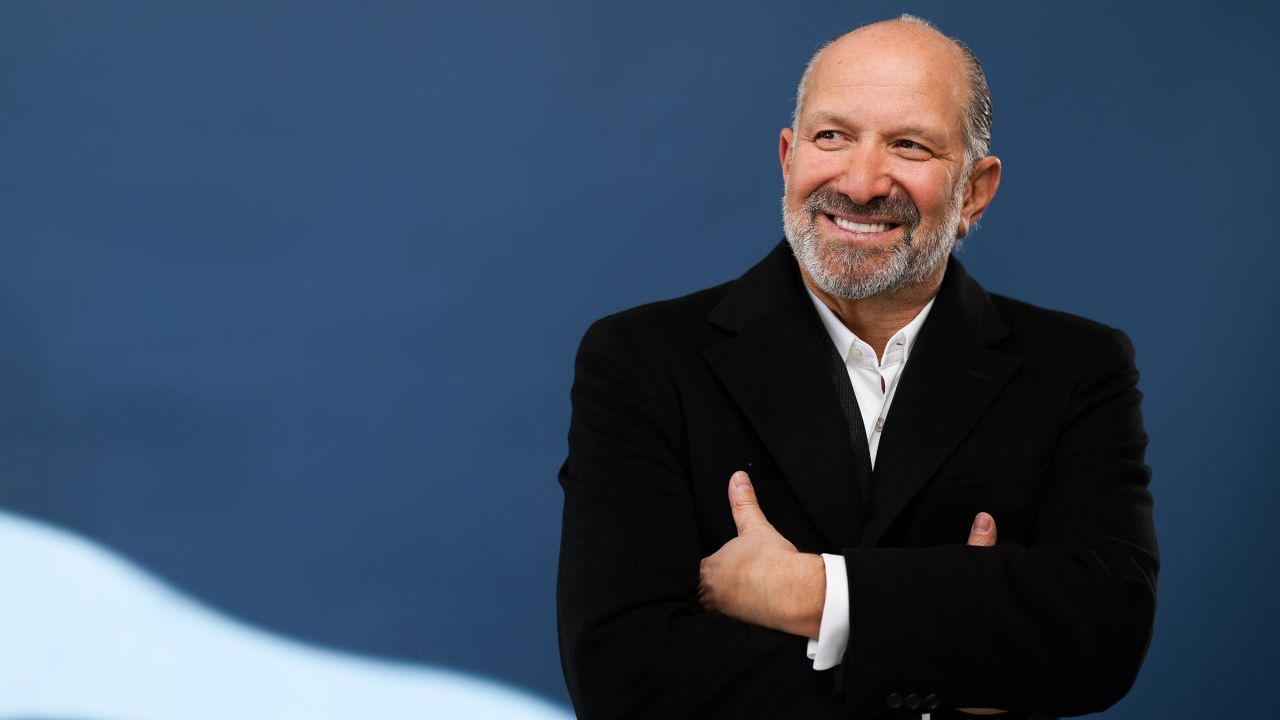
In Bessent’s own words: India has not been a great global actor. His main responsibility is to assist Trump in making macroeconomic decisions and to handle negotiations with heavyweight opponents like China. Every negotiation he and his colleagues prepare for meticulously, fiercely bargaining over every detail of every clause. The Chinese and American sides held multiple rounds of talks in several countries before finally reaching a temporary truce. He simply has no energy to deal with a country like India, which the US considers unimportant. This is the attitude of the United States toward Bharat, the so-called third strongest country in the world.
The fact that Trump sent Lutnick to lead the India negotiations shows that he never intended to negotiate seriously. He simply presented an extortion list and demanded that India accept it completely. Although India has talked tough, after months of tariff attacks, H1B visa restrictions, and Trump’s threats against American companies investing in India, it is now facing enormous pressure. Modi has quietly ordered a reduction in purchases of Russian oil and gas and shifted toward more expensive oil and gas resources from the Middle East and the United States. The Indian farmers whom Modi had publicly vowed to protect strongly have also been abandoned by him. India has already agreed to open parts of its agricultural market and will purchase large quantities of Boeing aircraft, yet it has received no substantial trade concessions from the Americans, not even a suspension or reduction of tariffs.
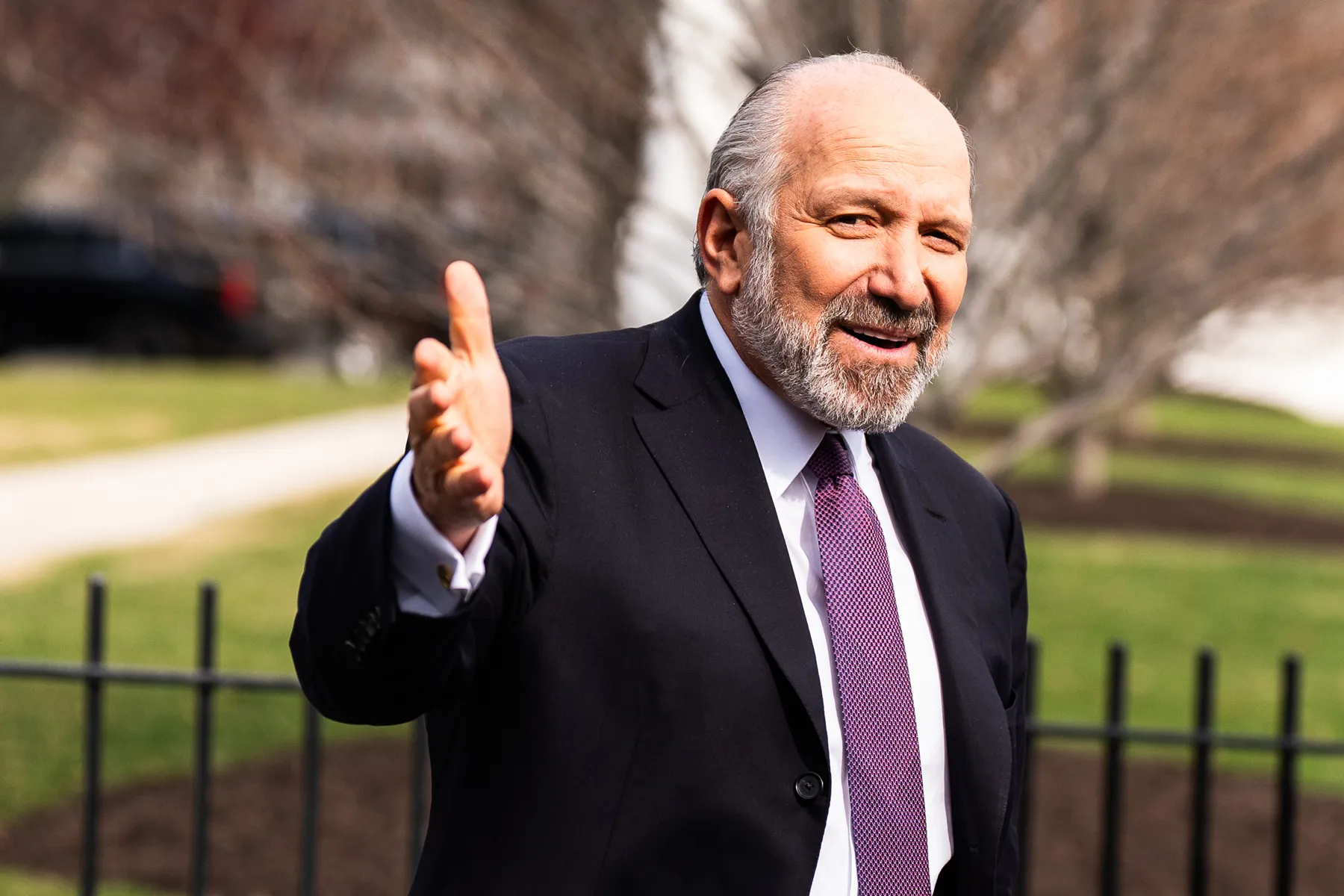
Lutnick has long operated on Wall Street as a financial middleman. The biggest difference between him and Bessent is that Bessent makes his living through professional expertise, while Lutnick survives by brokering deals and coordinating resources. He is one of the enforcers Trump trusts most. By humiliating India in this way, he perfectly hit his boss’s sweet spot and left Trump extremely satisfied. Yes, although he is not good at professional knowledge, he is an expert at extortion and humiliation. Despite Modi and many Indian politicians and media outlets repeatedly taking a hardline stance, he still managed to quickly secure an agreement that forced India to make huge concessions. This fully demonstrates how ruthless his methods are.
He understands Trump’s attitude toward India very well: give India no dignity whatsoever and humiliate it by every possible means. His team demanded that Modi slap his own face and withdraw all of his bottom-line conditions. When Modi had in fact already surrendered and only hoped to preserve a final shred of dignity, Lutnick chose instead to walk back the agreement, raise the demands again, and make the whole situation public, exposing the conflict between Modi and Trump under the global media spotlight. The precondition for him to do this was that he had already seen the weakness and panic of the Indian negotiators at the table, who were almost unable to mount any real counterattack. He was also certain that the Modi government could not hold out much longer and that Modi’s toolbox was already completely empty.
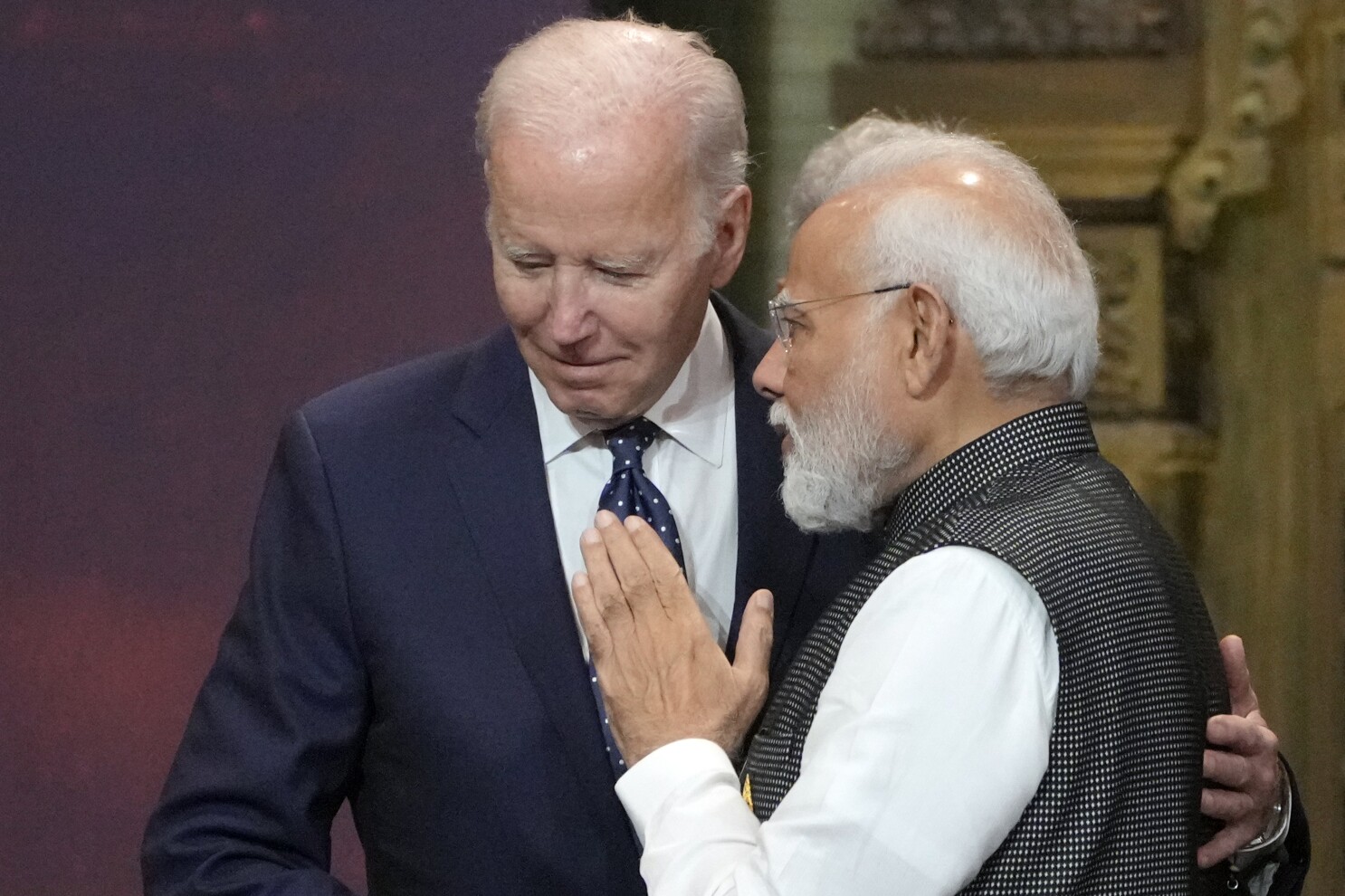
In reality, the reason Trump has treated Modi this way goes beyond merely venting anger over Modi betraying him by supporting Biden. There are also strategic considerations. Because Modi ruined relations with China, China is now building an encirclement of India through Pakistan and Bangladesh. No matter how much the US humiliates India, India cannot obtain China’s support. When Modi flew to Tianjin to beg Xi Jinping for forgiveness, he only managed to gain temporary understanding. China’s determination to continue investing heavily in Pakistan and Bangladesh remains unshakable and will not change just because Modi shows weakness. The United States is also tired of Modi’s two-faced behavior, constantly swaying between Russia and the West to extract benefits. By humiliating Modi so severely, striking India hard, and even threatening to impose 500% tariffs, the goal is to teach the Indians a lesson they will never forget: stop playing both sides and submit absolutely to the United States. This is the necessary condition for India to enter Western supply chains. There is no room for bargaining.

Trump’s core demands toward India are nothing more than oil and agricultural products. The oil market is his promise to energy companies in Texas, while the agricultural market serves as a vote catalyst for farmers in the Midwest. These two areas are the United States’ core conditions, and India must fully concede. As for the dignity of Modi and India, they are not even within the scope of Trump’s consideration. In Trump’s own words, if a country has no cards in its hand, it deserves to be humiliated. This is the current American diplomatic strategy. Even good neighbors like Canada and European allies like Denmark are no exception. The United States wants to extort and rob the whole world. The only ways to avoid it are either to pay enough protection money or, like China, to hold real cards in your hand.
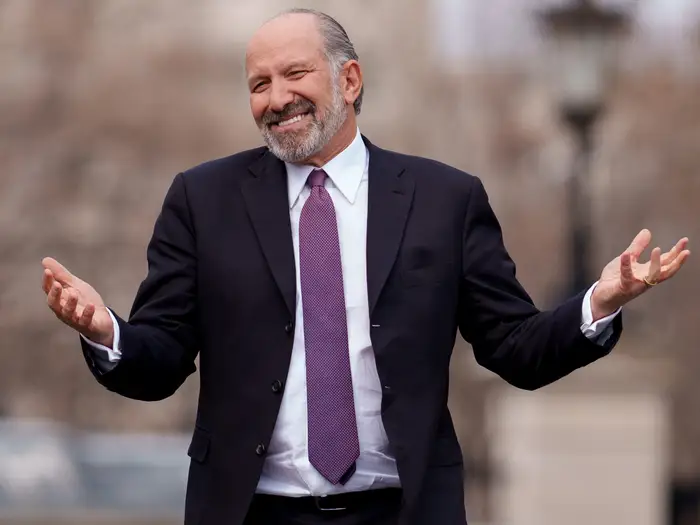
Therefore, a person like Lutnick was tailor-made by Trump as the enforcer against India. This man has almost no political bottom line and is willing to say any disgusting thing. People like Bessent look down on a country like India in their hearts and disdain negotiating with Indians. Lutnick, on the other hand, is the type of thug who gets a strong sense of achievement from bullying others. He immerses himself in the negotiations with India and in humiliating Modi. This is the highlight of his life. All his life he has been pleasing different people, but now he holds dominance over a country with 1.4 billion people that claims to be the third strongest in the world. He is in no hurry to conclude the agreement with India, just like a cat that catches a mouse does not eat it immediately. He wants to toy with his prey, maximize Trump’s satisfaction with his loyalty, and maximize his own political achievements. Therefore, even after the trade agreement was reached, he still insisted that Modi must call Trump at the designated time to beg for mercy and accept Trump’s pardon.
In fact, I very much appreciate the existence of such American officials. They bring all kinds of entertaining dramas to audiences around the world. India has always practiced a vulture-like opportunism, or what could be called a two-headed snake strategy. This country constantly creates trouble for South Asia and the global order. If there is a villain who comes to humiliate it, that is not necessarily a bad thing.