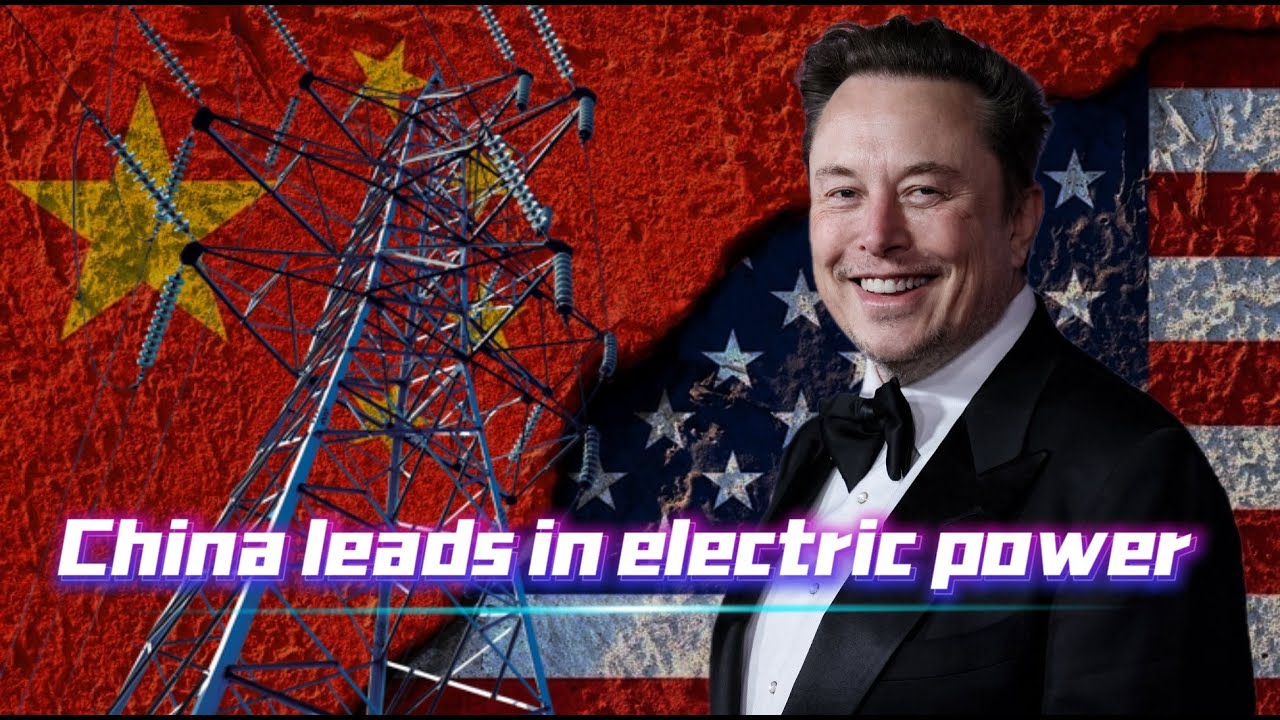
In this interview, Elon Musk discusses the future of global energy, space exploration, and the rising role of artificial intelligence. Below is a summary of the key points covered in the video:
China’s Lead in Renewable Energy
-
Solar Scaling: Musk praises China for its “incredible job” in solar energy production, noting that they are currently “running circles” around other nations in this sector.
-
Production Capacity: He highlights that China’s solar production capacity is roughly 1,500 gigawatts per year, with about 70% of their new energy scaling coming from solar power.
Space-Based Energy and AI Satellites
-
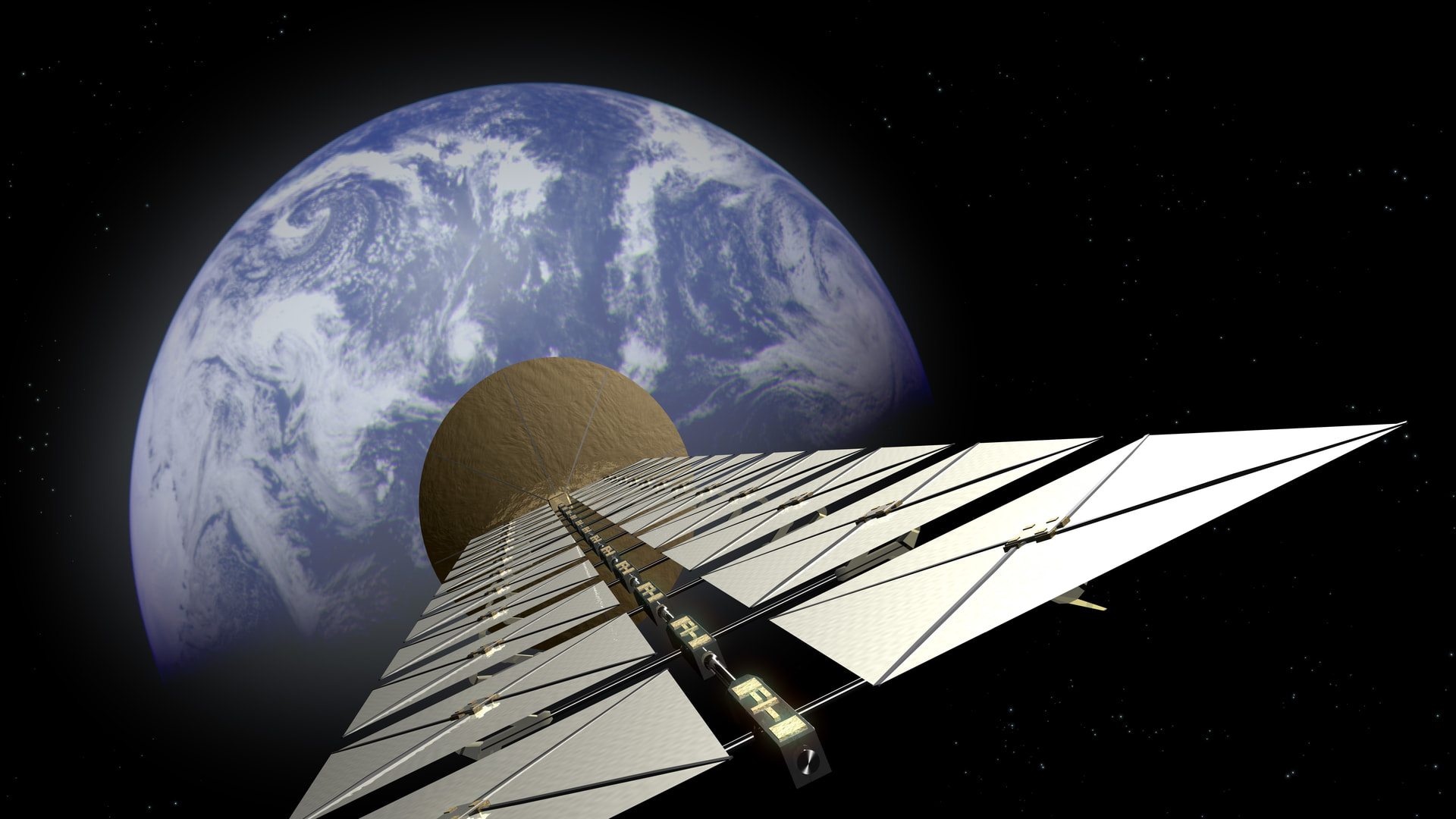
Galactic Energy Grid: Musk envisions a path toward launching 100 gigawatts of space-based, solar-powered AI satellites annually.
-
Starship’s Role: He estimates this would require roughly 10,000 Starship flights per year—about one flight every hour—to deliver a million tons of payload to orbit.
-
Moon Manufacturing: To scale even further (up to 100 terawatts), Musk suggests manufacturing these satellites on the moon and using “mass drivers” to launch them into space due to the moon’s lack of atmosphere and lower escape velocity.
Solving Energy Infrastructure on Earth
-
The Power of Batteries: Musk argues that the United States could double its energy throughput without building new power plants simply by using batteries to buffer energy (charging at night and discharging during the day).
-
Solar in the Desert: He points out that the U.S. has vast “bleak deserts” that are ideal for massive solar installations, which would have minimal impact on local ecology while providing abundant power.
-
Energy and GDP: Musk emphasizes that energy production is directly tied to a country’s cost of living, health, and GDP.
Orbital Challenges and the Future of AI
-
Orbital Debris: When asked about space clutter, Musk suggests that once a million tons of payload can be launched, the technology will also exist to collect or de-orbit old satellites for reuse.
-
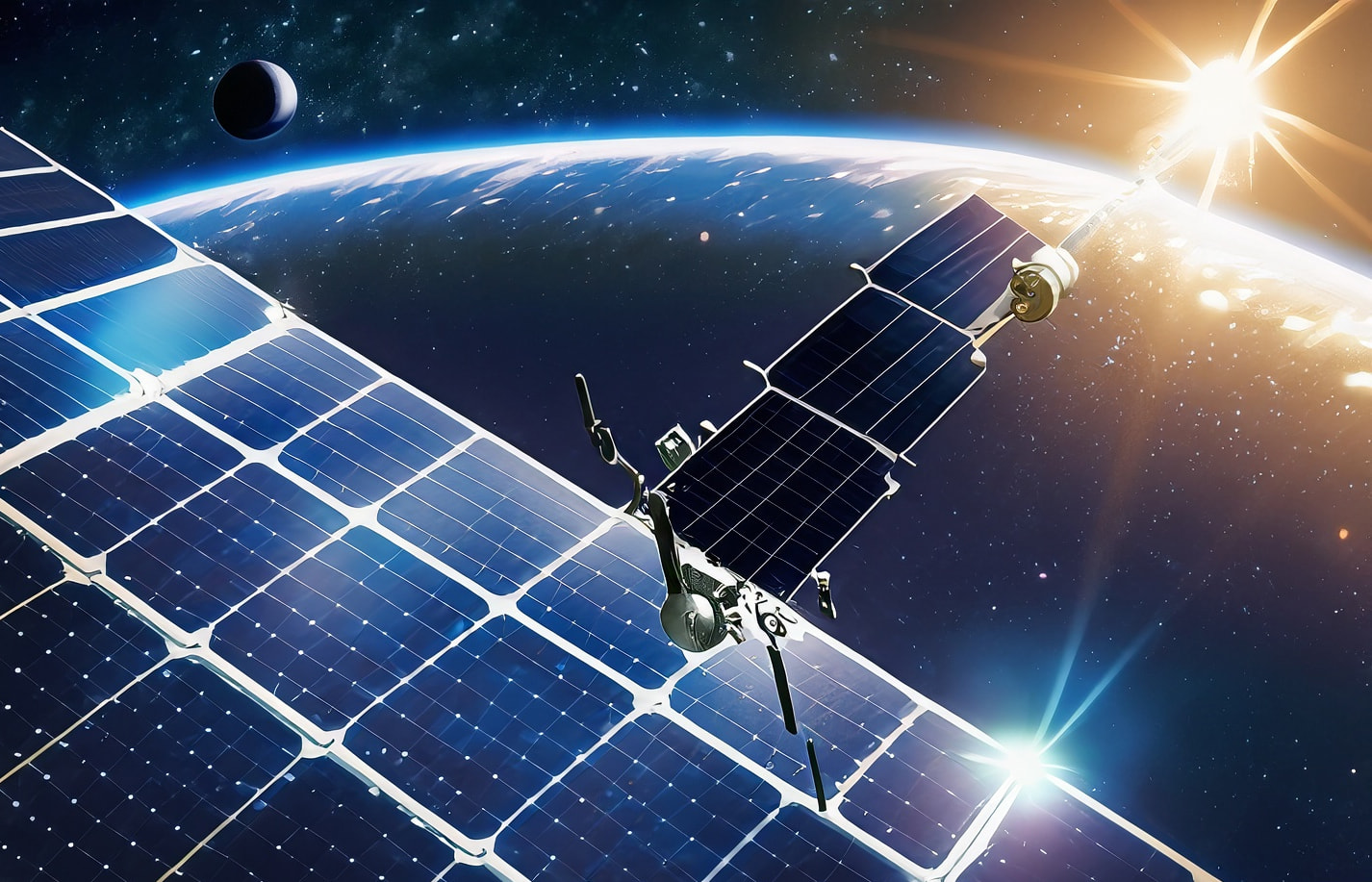
Data Centers in Space: He discusses moving AI data centers into orbit where they can receive constant sunlight and avoid the ground-based energy crises that some fear will drive up the cost of living.
-
AI’s Self-Preservation: Musk jokingly notes that as intelligence increases in these orbital swarms, it will have a strong motivation to solve debris problems to preserve itself.
The Path to Abundance
-
Energy Crisis Myths: Musk dismisses fears of a permanent energy crisis, stating that the sun generates vast amounts of free energy and that the technology to capture it is already here and improving.
-
The Transition: He believes the vast majority of future energy consumption will be driven by compute power (AI), but that the transition to captured solar energy will lead to a world of “universal high income” and abundant resources.