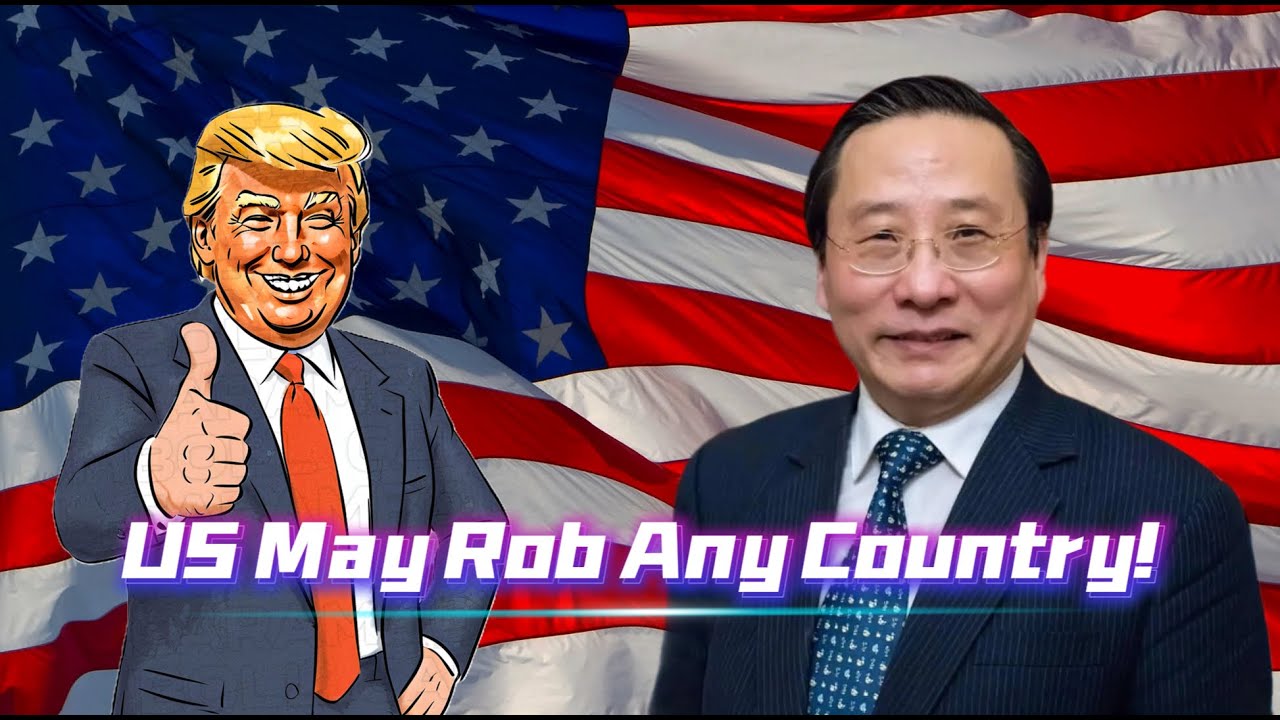
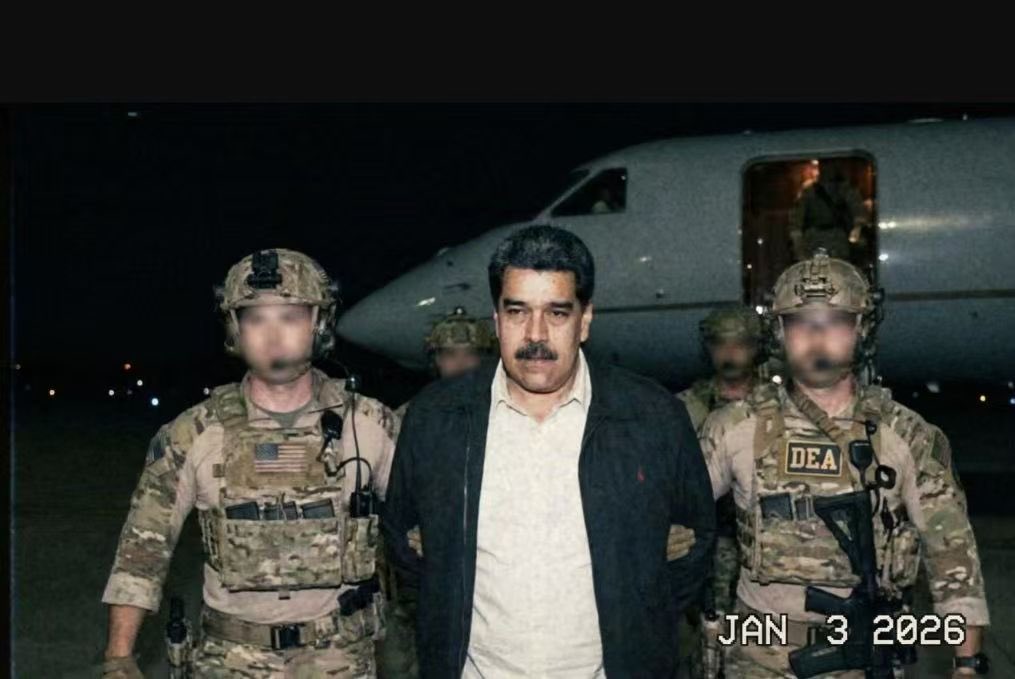
In this video, Victor Gao provides a critical perspective on the U.S. military operation in Venezuela, characterizing the abduction of President Maduro and the First Lady as a blatant violation of international law and the UN Charter.
Key Takeaways from Victor Gao’s Perspective:
-
Violation of Sovereignty: Gao argues that the U.S. actions constitute an act of aggression and a dangerous intrusion into a sovereign nation. He warns that if such actions are normalized, no country—including major oil producers like Saudi Arabia, Qatar, or the UAE—will be safe from similar interventions.
-
The Motive of Oil: According to Gao, the primary driver for the Trump administration’s actions is the seizure of Venezuelan oil assets. He views this as a destabilizing move that undermines international relations and legitimate business interests, including those of China.
-
The End of Pax Americana: Gao suggests that this event marks a “dark moment” in U.S. history and predicts it could be the “beginning of the end” for American global dominance (Pax Americana). He notes that the U.S. is trading its role as a “beacon on the mountain” for the “rule of the jungle,” striking fear rather than gaining respect.
-
China’s Interests and Reaction: * China maintains a firm stance on protecting sovereignty and territorial integrity.
-
While China has significant financial interests in Venezuela (estimated at $100 billion in loans), Gao emphasizes that China’s concern is primarily about the breakdown of international norms.
-
He notes that the timing of the raid—shortly after a meeting between Maduro and a Chinese special envoy—might be coincidental due to weather delays, but remains a significant act of aggression regardless of the meeting.
-
-
Taiwan Comparison: Gao dismisses social media speculation that this operation provides a “blueprint” for China regarding Taiwan. He asserts that China has its own timetable and methodology focused on peaceful reunification and that the two situations are not comparable.