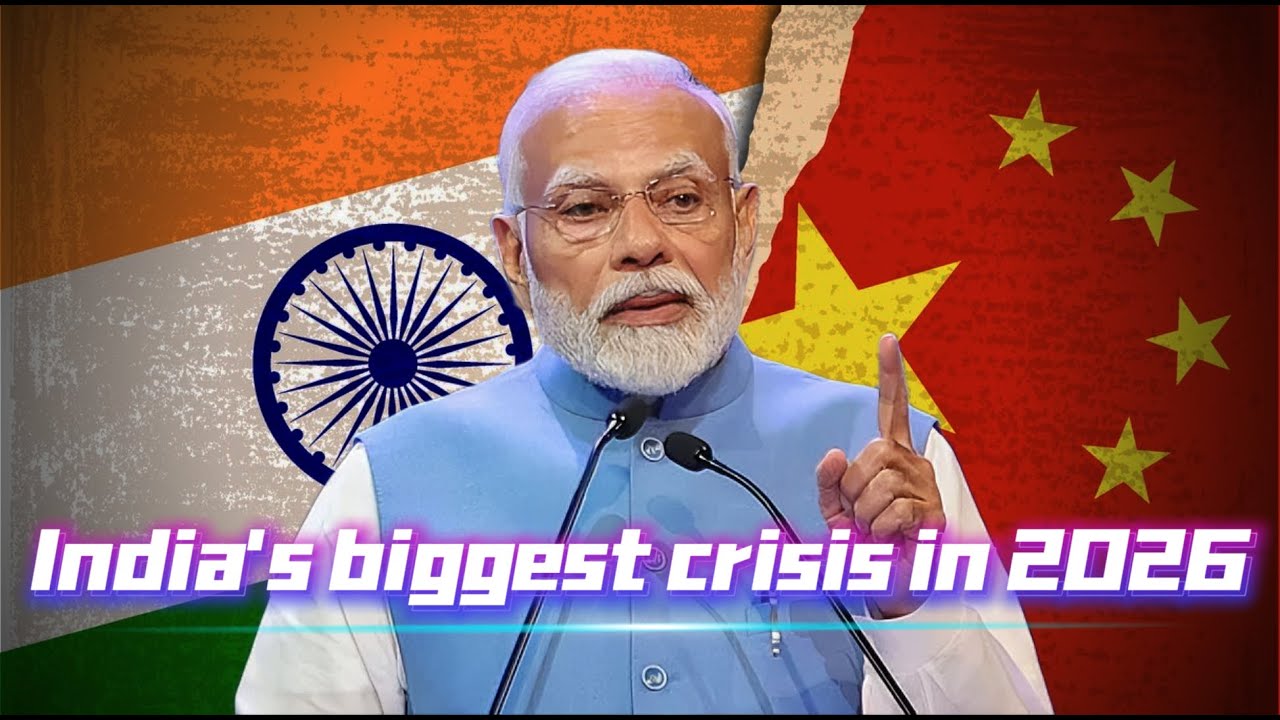
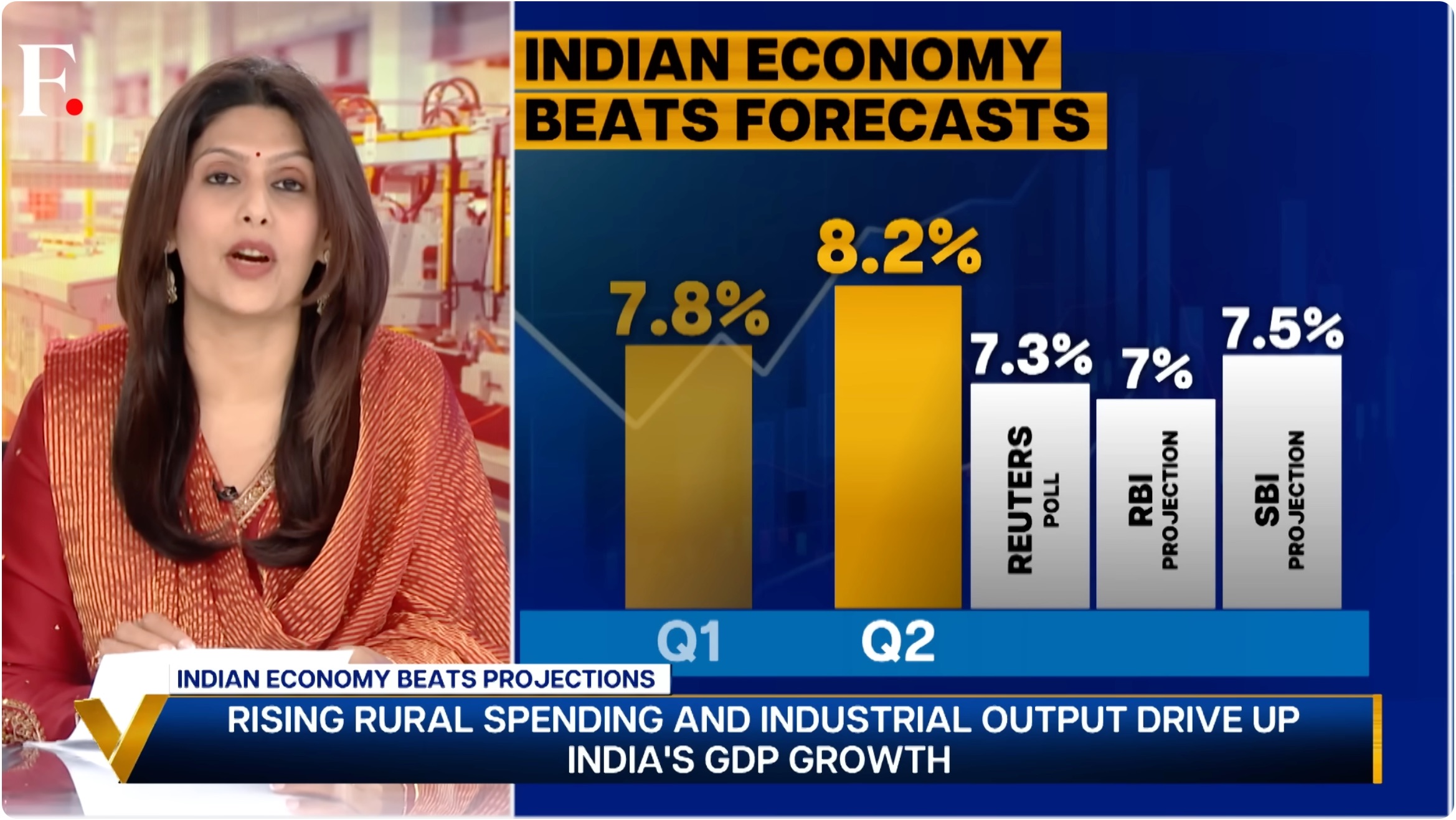
The Indian government recently released information that India’s GDP in 2025 reached 4.18 trillion US dollars, surpassing Japan to become the fourth largest in the world, and it will surpass Germany in the next few years to become the third largest in the world. The full-year economic growth is estimated at around 6.5%, with the third quarter growth rate reaching 8.2%, but the fourth quarter experienced a slowdown. In comparison, China’s GDP growth in 2025 was about 5%, reaching 19.4 trillion US dollars, which is approximately 5 times that of India. According to this trend, the GDP gap between India and China will grow larger and larger because India’s base is too low.
From the perspective of GDP structure, India’s industrialization process remains unsatisfactory, with the manufacturing sector still accounting for less than 15%. Modi has been in power for 12 years but has failed to break this curse. India’s agriculture absorbs about 45% of the labor force, making it essentially still an agricultural country. Even under Modi’s leadership, India has shown some signs of deindustrialization, as the proportion of manufacturing in GDP has declined compared to when he first took office. This harsh reality has turned the vision repeatedly promoted by Modi and BJP media of replacing China as the world’s factory into a global laughingstock. India has not only failed to replace China as the world’s factory; on the contrary, India has imported a large amount of goods from China, contributing about 100 billion US dollars in trade surplus to China and helping China set a new historical record for trade surplus in human history. Modi and the clowns of BJP shout anti-China slogans with their mouths, but their wallets are very honest as they desperately buy Chinese goods. After declaring Chinese people as slit-eyed and calling on Indians to buy domestic products, the homes of BJP officials are filled with goods from China. They use Chinese televisions, refrigerators, washing machines, and air conditioners, and use Chinese-brand mobile phones to incite the Dalits in slums who are tormented by smog and high temperatures to boycott Made in China.
This video is not intended to discuss how China’s economic situation is far better than India’s, because China does indeed face significant downward economic pressure in 2026. Excessive dependence on exports and the continued slump in the real estate market make China’s economic planning for 2026 full of challenges. But I believe that, as in the past, China will continue to deliver results that exceed predictions from Western economists. This is not because China is particularly outstanding, but because the performance of other countries is worse than China’s. Whether it is the US, Japan and South Korea, or Europe, they all have pressures and troubles no less than China’s. However, the troubles of the Bharat Empire should be the greatest. This starts with India’s massive trade deficit.
In addition to the hundred-billion-dollar deficit with China, India has a certain degree of deficit with major economies except the US, totaling as high as 282.8 billion US dollars. However, relying on software and commercial services, India generated about 189.4 billion US dollars in service trade surplus in the 2024-25 fiscal year, plus huge remittances from overseas Indians, which allowed India to avoid the consequences of financial collapse. Nevertheless, because of this, India will face strong pressure in 2026 and subsequent years. This is mainly because the AI war between China and the US is escalating. After burning a large amount of money, US companies urgently need to convert large models into productivity. Meta spent 20 billion US dollars to acquire Manus, buying this startup founded by young Chinese people at a stock price far higher than that of Chinese tech giants. What Meta valued was precisely the powerful demonstration effect of Manus in connecting computing power and productivity links. In the second half of 2025, tech giants such as OpenAI, Google, Microsoft, xAI, and Anthropic have all intensified efforts to promote productivity conversion and implement AI technology.
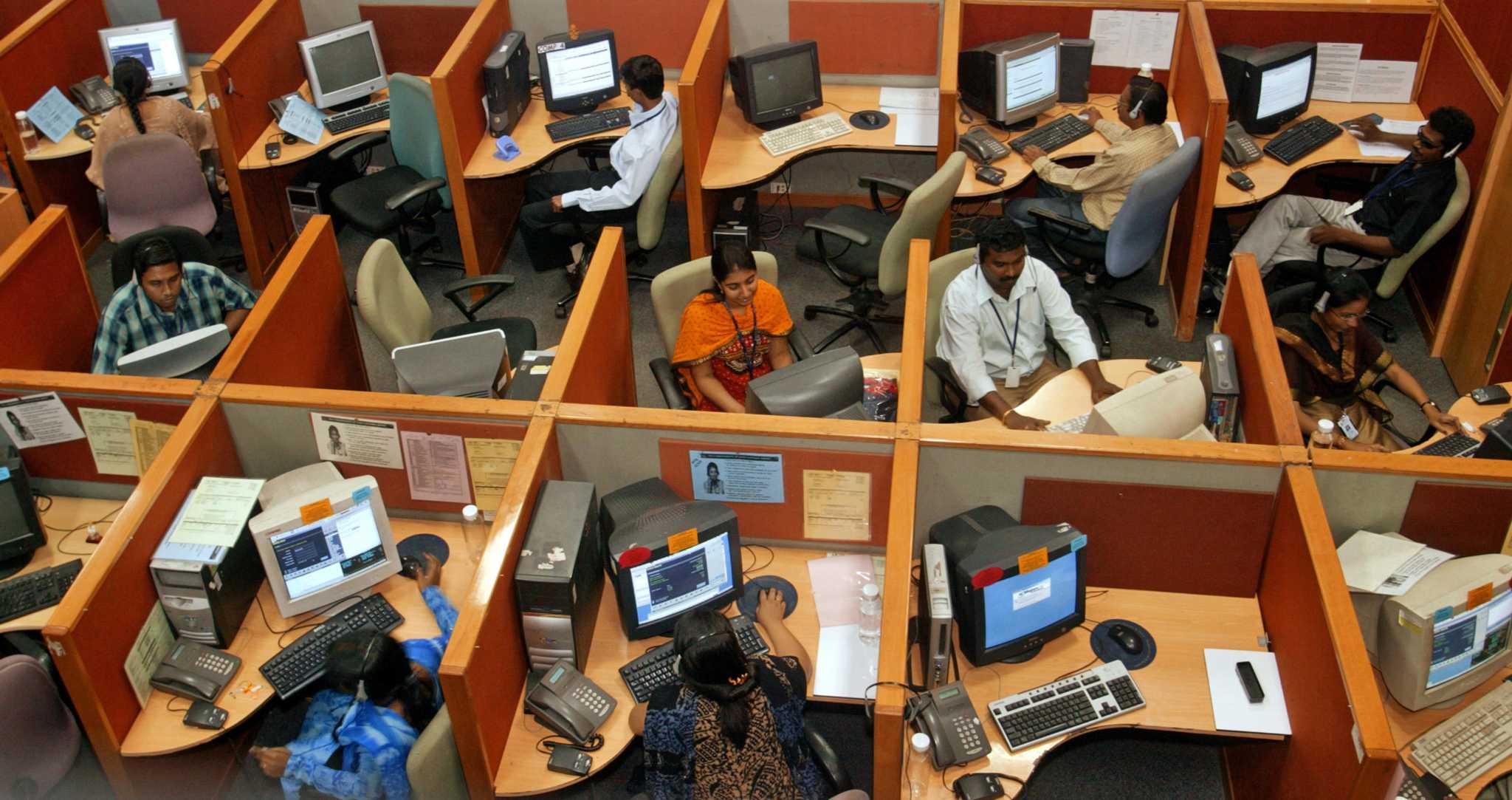
All this hits first and hardest the software outsourcing and call center businesses that India relies on most. In the past, Americans were accustomed to outsourcing customer service centers to India, enduring high risks such as data leaks and fraud by Indians, just to save on wage costs because labor costs in the US were too high. But as AI large models become smarter and voice capabilities stronger, call centers have reached the point where they can replace most application scenarios. Today’s AI can quickly answer user questions with very standard accents and a variety of tones, and users can even dynamically select and adjust via voice. Such service levels are obviously more attractive than stiff curry-accented English. Another severe blow from the AI industry to India is that it may deal a devastating strike to India’s hidden foreign exchange pillar: telecom fraud. US companies can set up customer service centers in their own country with better privacy and security, using a small number of employees combined with AI to serve domestic customers.
As for software outsourcing, after Indians dominated Silicon Valley, the quality and stability of US software have declined at a speed visible to the naked eye. Many Indians use fake credentials and nepotism to occupy positions in major Silicon Valley companies, but in their work, apart from bragging and shirking responsibility, they cannot meet the company’s productivity requirements. In the era when AI programming is rapidly maturing, senior programmers and architects will not be eliminated in the short term, but those Indian programmers in Silicon Valley with substandard technical skills will be the first to be laid off. The fate of programmers doing outsourcing in Indian cities like Bangalore will be even more tragic, as AI will permanently replace them and provide code with more stable quality.
In the coming years, I can predict that India’s software outsourcing and service exports will suffer devastating blows. This two-hundred-billion-dollar foreign exchange gap will be hard to find new sources for, and India will face terrifying trade deficits and fall into a severe trade crisis. It is also worth mentioning here the overseas remittances from Indian migrants, which are one of India’s most important sources of foreign exchange. Now the US is significantly tightening H1B visas, severely hitting Indians’ ability to go to the US to earn money. In fact, Western countries are launching an unprecedented wave of strong restrictions targeting Indian immigrants. The history of Indians entering the West to work and bringing back large amounts of foreign exchange over the past decade will come to an end. Coupled with Saudi Arabia and other Gulf countries intensifying efforts to deport Indians, the prospects for migrant remittances are not optimistic.
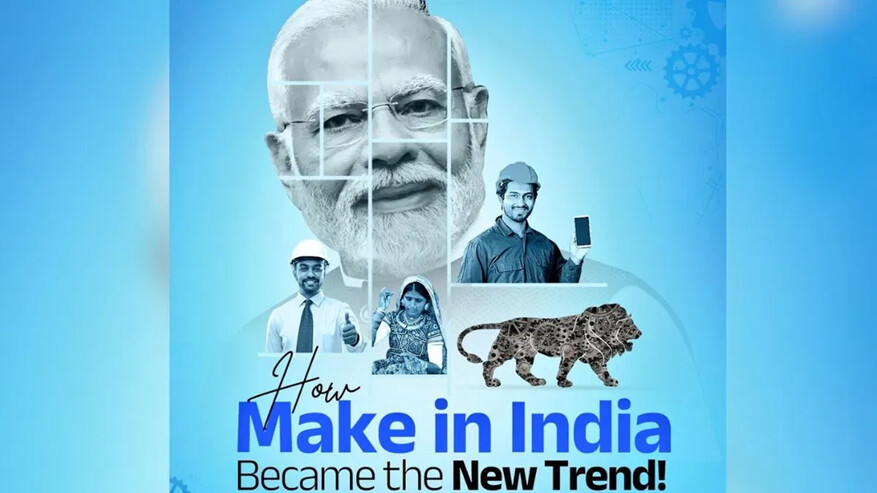
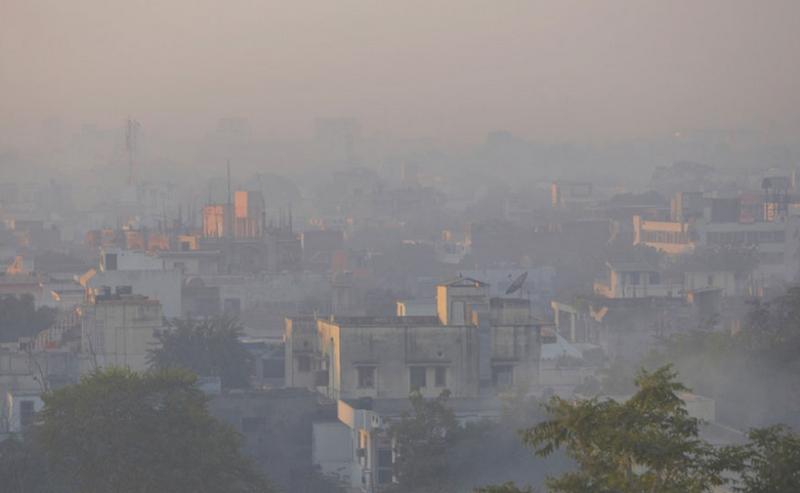
In his 12 years in power, Modi has not fundamentally improved India’s infrastructure, removed tariff barriers between states, or created a good national business environment to make India a world industrial powerhouse, or at least an important link in the supply chain system. On the contrary, under Modi’s leadership, India has become a country of religious hatred and political division. Without completing industrialization, it already faces severe environmental pollution, lack of clean water sources, and winter smog that seriously affects people’s health. The streets are littered with garbage and filled with foul odors. We only see him wearing skirts, bragging everywhere, bragging at major international occasions like G7, G20, and BRICS, giving one grandiose vision after another, and feeding Indians spiritual heroin. Becoming a developed country by 2047. Modi may not live until 2047, but I believe that until 2047, Indians will still have to pay for Modi’s clown performances today.
Therefore, I am not optimistic about India in 2026. The only thing worth looking forward to is what new performances the king of clowns Modi will put on. Let us wait and see!