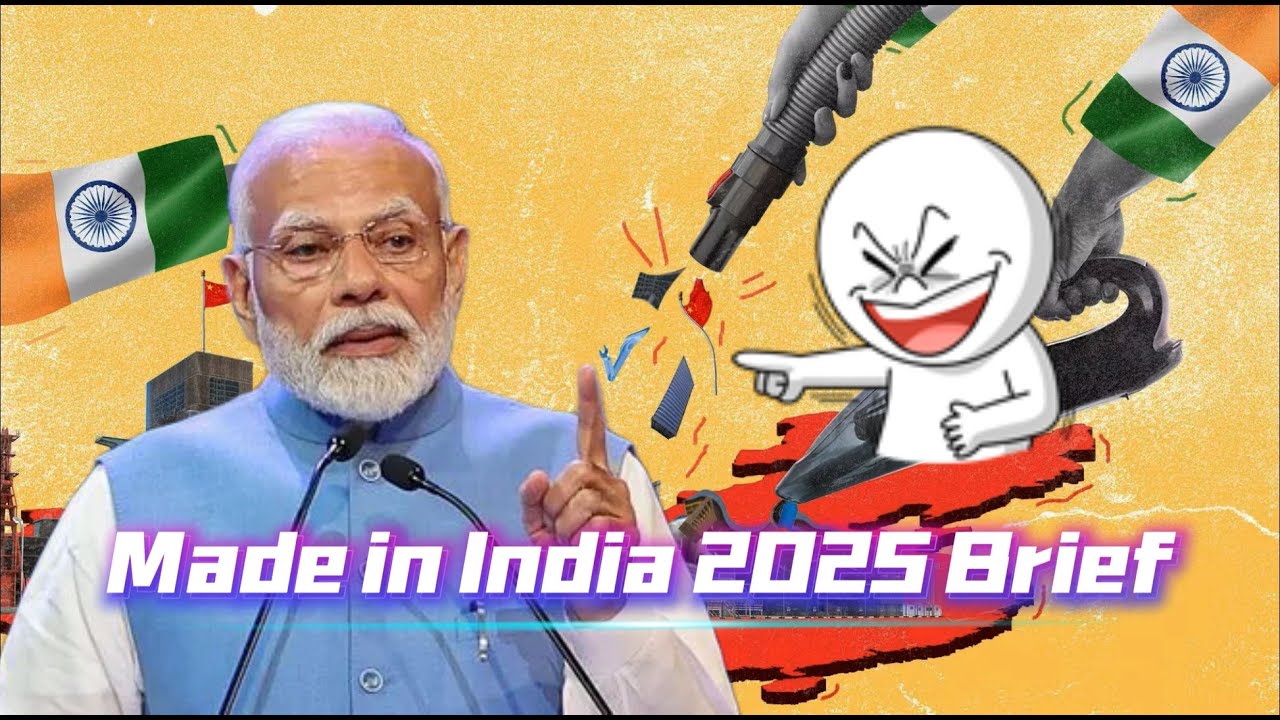
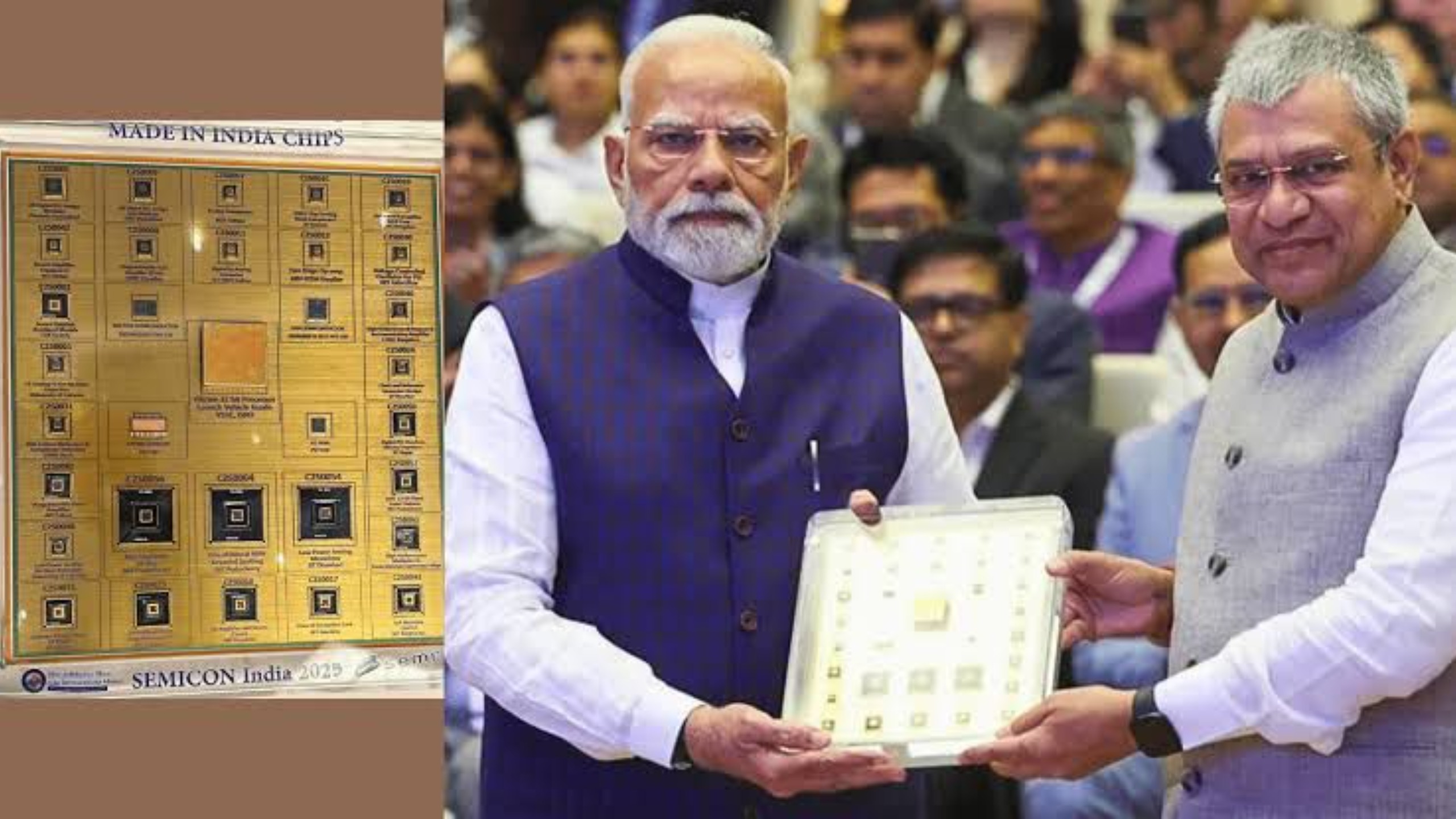
Modi’s Make in India slogan has been shouted for over ten years. In these more than ten years, Indians have produced a large number of posters mocking that Chinese manufacturing is about to collapse and India will become the new world factory. Their theories are nothing more than India having demographic dividend, English advantage, being a democratic country, and trusted by the West. China faces an aging crisis and is hit and blockaded by the US because its strength is approaching the US. However, 2025 is about to end, and Indians have not waited for the so-called world factory. India’s manufacturing share of GDP has always hovered around 15%, remaining in the early stage of industrialization, while agriculture still provides employment for half the population. Data does not lie. In my video a few weeks ago, I listed a large amount of data, compared India with China in 2007, and proved in detail that India’s economic figures are seriously falsified. Its production factor output, power generation, people’s living standards, and other hard indicators do not match its current GDP figures. That video is in the India playlist. Interested friends can check it out themselves. In that video, I cited the view of a professor from Nehru University that India’s GDP is overestimated by more than 40%.
Later, I made several videos talking about India’s industrialization problems. In this video, I will summarize a little and provide everyone with a simple perspective to understand this topic. When Modi showed great friendship with Putin during his visit to India, one of the more important agreements reached between the two countries was that Russia would introduce a large number of Indian workers. Because Russia sold oil and gas to India and received a large amount of rupees, this money is unwanted on the international market and cannot buy any valuable goods. Therefore, recruiting Indians to fill domestic labor gaps is a relatively good choice. If possible, tricking them into working in war zones or even sending them to the front line as cannon fodder is also possible. On the Indian side, domestic employment pressure is indeed very high. Modi personally promoted the advantage of India’s large number of semi-skilled workers and exported labor outward. Because not only to Russia, India has exported a large amount of labor to the Middle East, Europe, the US, Southeast Asia, and any place you can think of. These people bring hundreds of billions of dollars in foreign exchange to India every year, effectively easing the pressure on the Indian government.
But if you think calmly, you will find that exporting labor outward and India becoming the world factory are essentially contradictory narratives. Because if India’s manufacturing is booming as the Modi government claims and replacing China as the world factory is just around the corner, then India now should have factories everywhere and be recruiting workers everywhere. How could it export labor on a large scale? Whether it is industrialized powers like Japan, South Korea, and China, or emerging industrial forces like ASEAN and Mexico, the demand for labor is extremely huge. It can be said that high-quality labor has always been the most important asset in the industrialization process and a resource that companies scramble for. How could it be exported for that little foreign exchange?
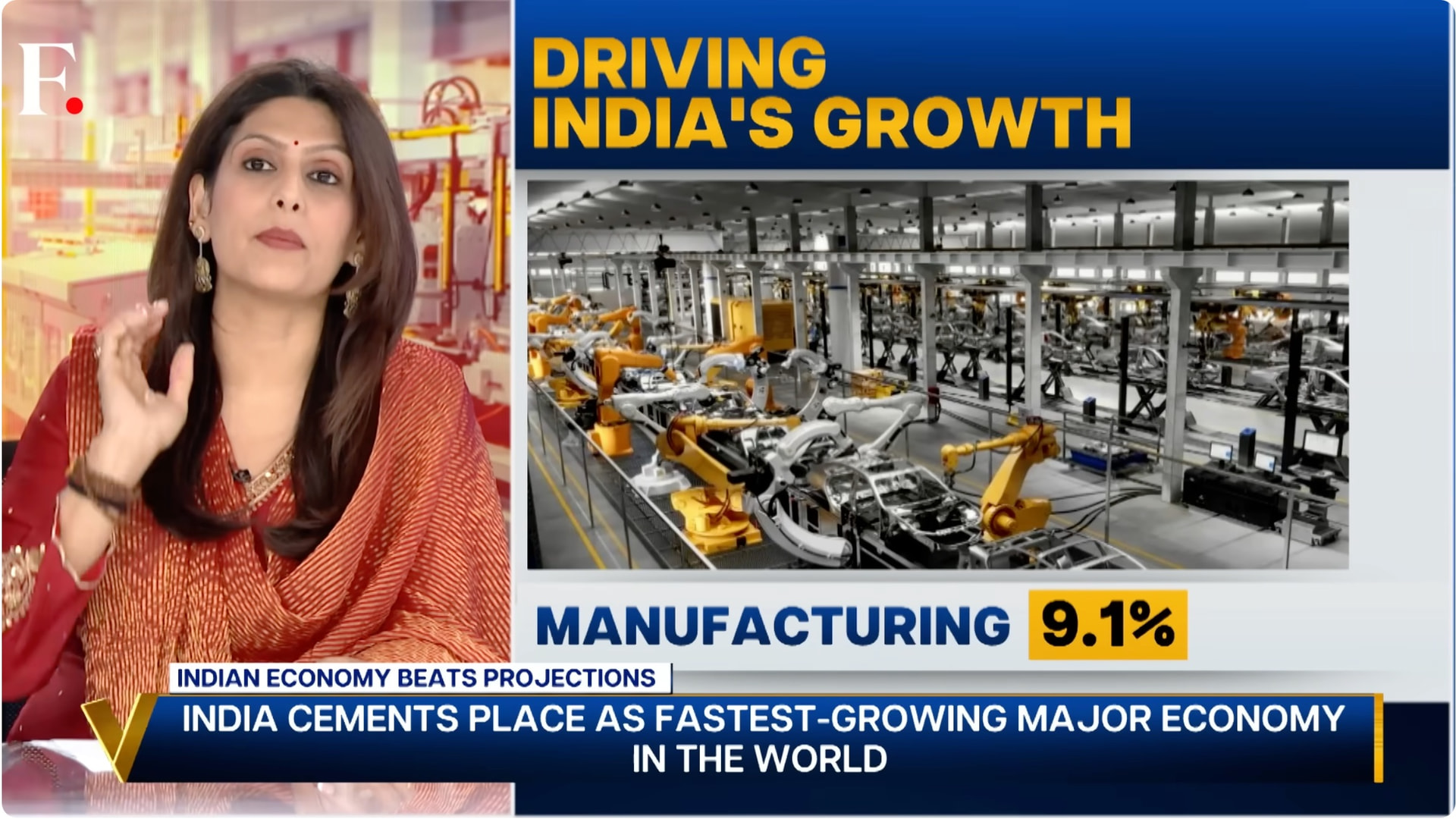
After the US imposed 50% tariffs on India, Indian clown officials, Commerce Minister Goyal and Foreign Minister Jaishankar, have repeatedly made tough statements that India will not yield to US pressure and has the ability to negotiate on equal terms with superpowers like China and the US. Godi Media represented by Palki Sharma reported that India’s economic growth reached 8.2% with a thriving scene. However, the rupee exchange rate fell below the historical low, and local governments represented by Tamil Nadu have repeatedly expressed to Modi that orders are being transferred to Southeast Asia and Mexico with great pressure. Today’s India has two different universes in parallel. In the universe of Modi’s fans, India’s economic growth rate is the highest in the world and the country is prosperous. In another universe, countless Indians leave their hometowns, sneak abroad to work, and send their salaries back home to support their families. In fact, as long as there is the slightest possibility, Indians will flee their country. Even as illegal immigrants, they will stay in Western countries and refuse to leave. No one misses that third strongest military power in the world or the great and correct Hindu high priest Modi.
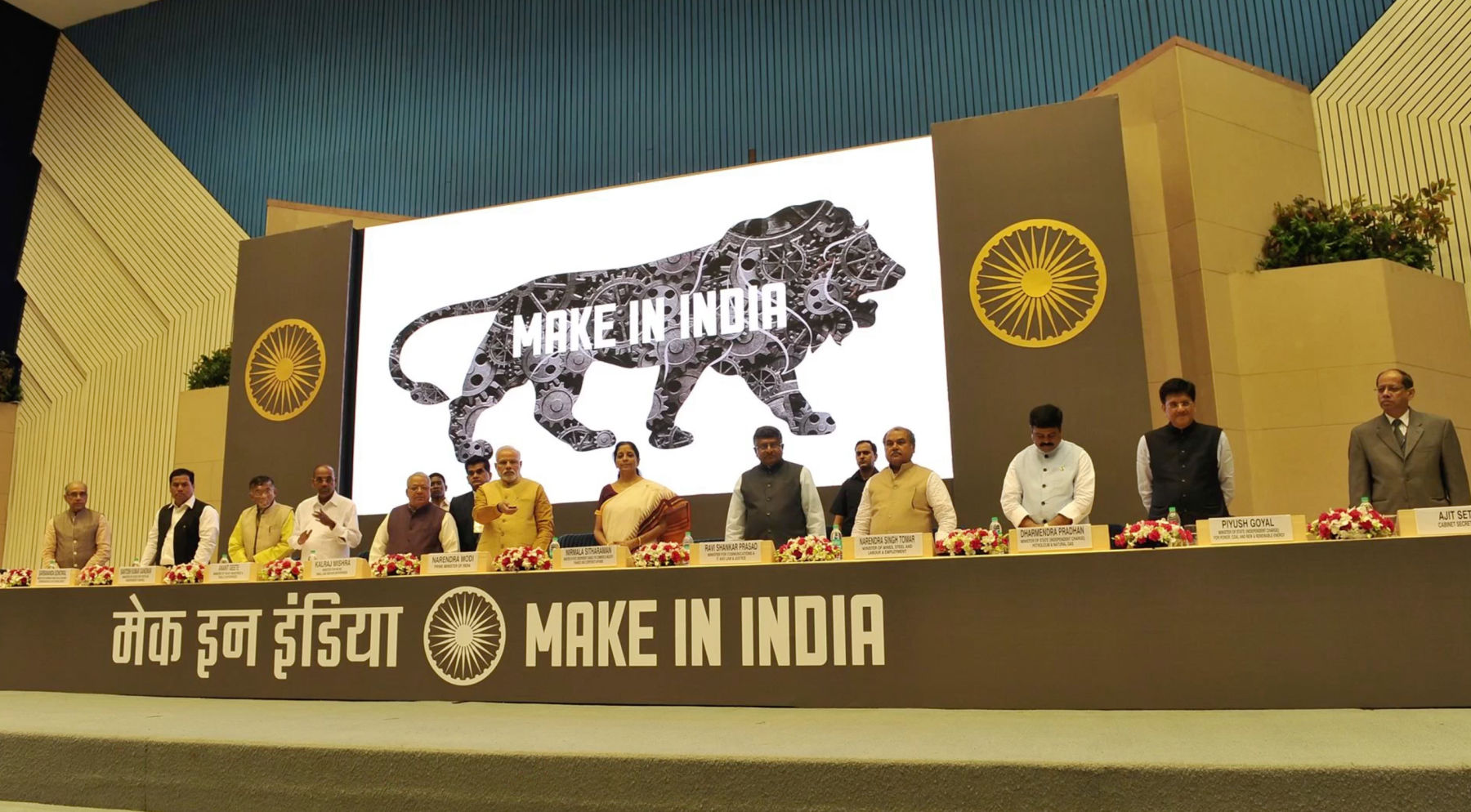
In my previous videos, I liked to analyze India’s various industrial foundations and criticize Modi and his ministers for bragging. For example, I like to point out that India lacks the electricity, water, and other resources needed to develop the chip industry, as well as good worker quality and rich talent reserves. However, these analyses focus too much on the technical level and make it difficult for audiences lacking foundation to understand. In fact, I should put the contradictory statements of Indian government officials on different occasions together for comparison and use their own narrative logic to slap them in the face. The Indian rupee has been falling since Modi came to power. On one hand, this is because the Indian government’s credibility is poor, the quality of the Indian economy is very bad, and foreign capital does not recognize it. On the other hand, the Indian government also needs to reduce the exchange rate to offset the pressure from the US tariff war. Because a low exchange rate helps maintain exports and makes the account data look better.
However, unlike China, India’s basic data is too poor. No matter how it is beautified, it is difficult to produce beautiful report cards. It always has major flaws. For example, if the Modi government wants to boast about high GDP growth, it must maintain a high exchange rate. Otherwise, after converting GDP to dollars, it may lose to Japan and the propaganda of surpassing Japan will become a joke. But if it maintains a high exchange rate, India’s exports will be hit. Combined with the impact of US tariffs, it will cause severe unemployment. Exporting labor can ease unemployment pressure and bring more foreign exchange income. However, high-quality labor leaving the country will hinder the country’s industrialization process and form a vicious cycle.
China’s trade surplus in the first 11 months of 2025 exceeded 1 trillion dollars, while the renminbi continued to appreciate at the end of the year. Although there are inevitably factors cooperating with the government narrative, China is indeed doing better. Corporate exports are strong, and GDP statistics converted to dollar denomination will look even better. Such a good trend helps build investment confidence for the coming year and forms a positive cycle. Perhaps China is indeed facing many crises as Indian media say, but at least from the results of 2025, China’s performance is excellent.
There is still a lot to talk about the story of Make in India. But 2025 only has a few days left. We will stop here. In 2026, the high priest Modi will have more wonderful clown performances. The trade negotiations between India and the US will also be revealed in 2026. There are still many slaps waiting for Modi. We can prepare melon seeds and snacks and comfortably enjoy the comedy performance of the biggest bragger in human history.