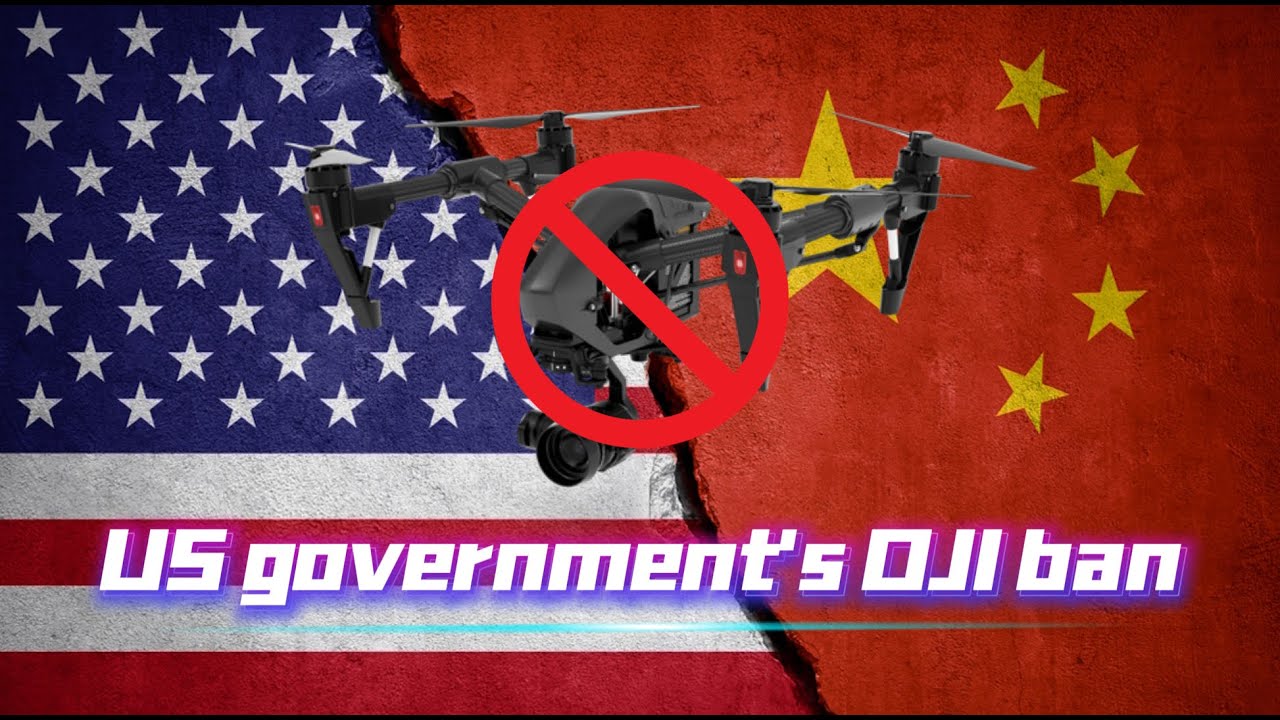
On December 22, 2025, the Federal Communications Commission announced that it would include all foreign-manufactured unmanned aircraft systems and their critical components on the Covered List, on the grounds that these products pose an unacceptable risk to US national security, potentially involving unauthorized surveillance, data leaks, and supply chain vulnerabilities. In other words, just like Huawei, DJI has become a target of the US government and has officially bid farewell to the US market. Although this law allows DJI users to continue purchasing parts to maintain existing equipment, DJI will no longer be able to release new products in the United States. The US drone industry hopes to take this opportunity to grow stronger and capture the domestic market.
In fact, DJI made great efforts to cooperate with the FCC, but received cold treatment. Some US officials even mocked DJI for begging to pass review and being rejected. Such shameless words and actions are shocking. Faced with pressure from a national government, any company would try hard to preserve its market from a commercial interest perspective. This behavior follows market rules, so how can it be ridiculed as begging? The US government often bans foreign products nationwide under the pretext of national security, which only damages its own credibility. Moreover, can US domestic drone companies really produce products with the same cost performance as DJI?
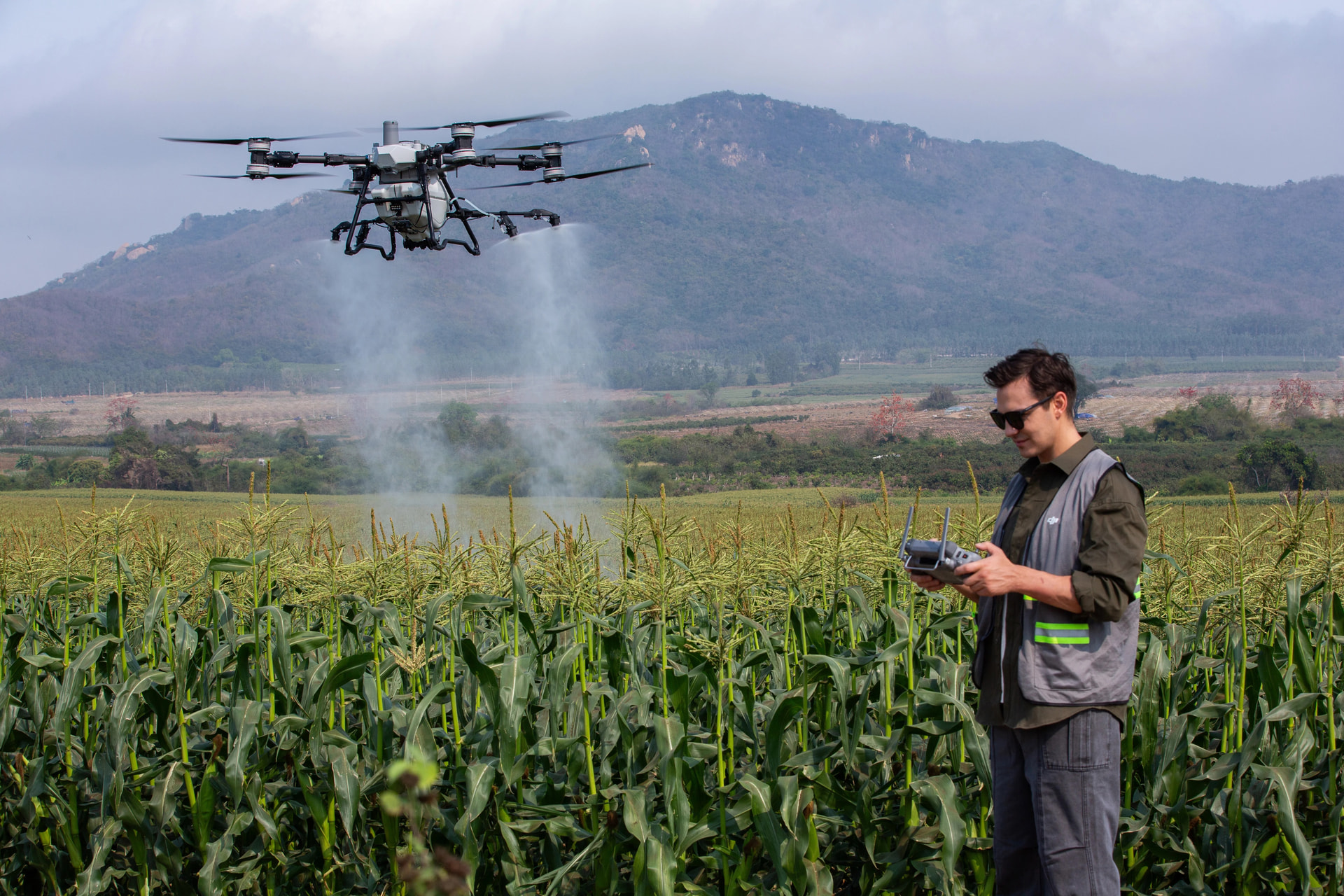
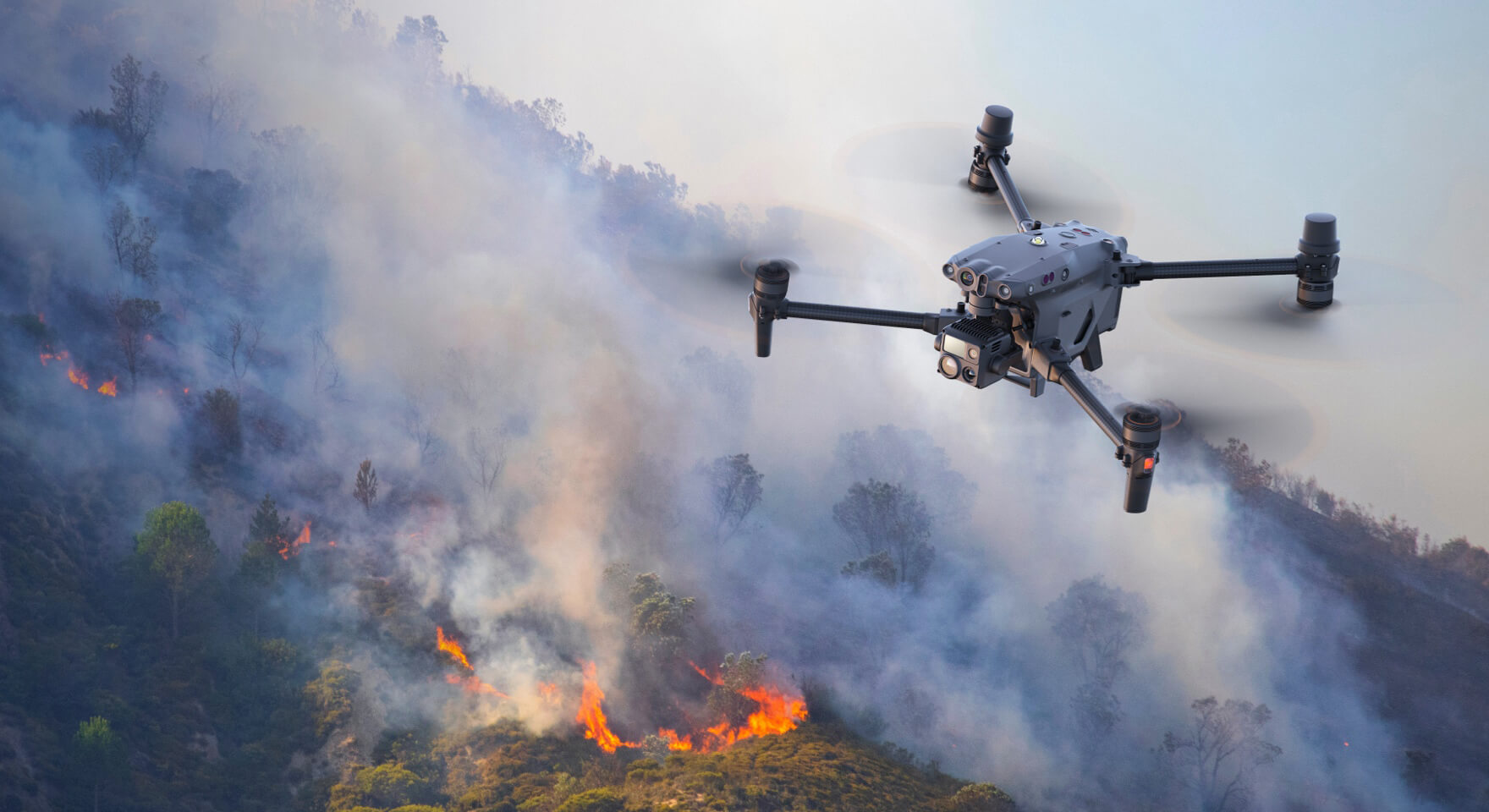
DJI holds more than 90% of the commercial drone market in the United States. More than 80% of US farmers and more than 80% of public safety drone programs use DJI products. DJI covers nearly every field in the United States, including agriculture, firefighting, surveying and mapping, and law enforcement, with almost monopoly-level market shares. If US domestic drone companies truly had the ability to develop similar products, could DJI have achieved its current market share? Chinese people widely use Microsoft, Android, and iOS operating systems from the United States, yet no one has heard of the Chinese government banning them nationwide in the name of national security. If the US government banned DJI drone purchases only in particularly sensitive departments or even all government departments, that could still be understood. How can it block DJI product applications through the FCC? As a technical agency, if the FCC repeatedly endorses political demands, can it still maintain its credibility?
If DJI truly threatened US national security, should it not immediately ground all DJI drones nationwide and provide objective and convincing investigation results? How can it allow current DJI models to continue being imported and sold? Clearly, this is yet another political lobbying effort by the US drone industry, using the escalation of China-US technology confrontation to eliminate competitors. However, hiding in a greenhouse like this, can they really produce competitive products? DJI has faced competitors in the United States before, but those US companies were eliminated by the market due to insufficient competitiveness.
Moreover, outside the United States, DJI has also faced challengers, and they all failed. This shows that DJI’s competitiveness is very strong. Even so, companies like Insta360 have still grown rapidly under DJI’s pressure. They broke out from action cameras and entered the drone field to challenge DJI, achieving considerable success. At the same time, however, GoPro, once the pride of Americans, has been caught between Insta360 and DJI. It went from market leader to nearly going bankrupt. Do US companies lack market share? I think the answer is obvious. What US companies truly lack is research, development, and innovation capability. Even in manufacturing, China’s contract manufacturing supply chain also serves GoPro. GoPro could find the same foundries in China as DJI and Insta360 at any time. Its failure is mainly due to outdated product concepts, backward features, and low cost performance. Consumers ultimately weigh whether every dollar they spend is worth it, rather than whether the brand is domestically produced.
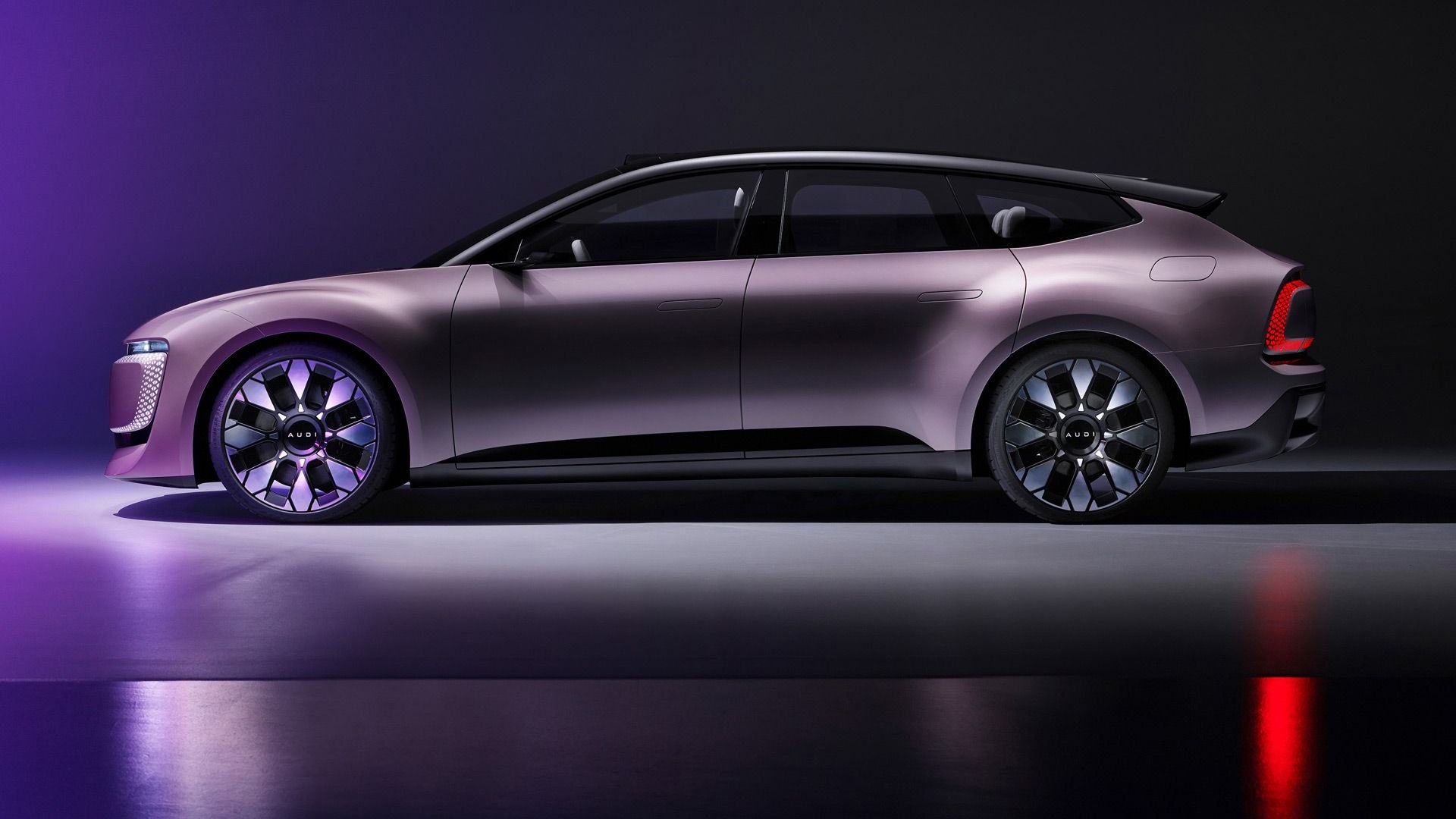
For decades, Chinese car consumers have preferred German brands and were willing to pay 10% or even 20% more. For a long time, buying domestic cars invited ridicule. Today’s famous electric vehicle star BYD grew up amid mockery and abuse from Chinese people. Yet Chinese car companies withstood the pressure. They grew in an environment of low market share, poor technical accumulation, and severe consumer prejudice. They continuously iterated their technology and eventually overtook through electric vehicles on a curve, gaining market recognition. Today, BYD is the highest-selling car company in China. Its products cover high, mid, and low ends, with rapid growth and good reputation. In overseas markets, BYD is also expanding quickly and has become a global leading car company. In fact, even without the electric vehicle revolution, BYD had caught up with German companies in internal combustion engine technology. In the hybrid field, its solutions are also better than those of Japanese companies.
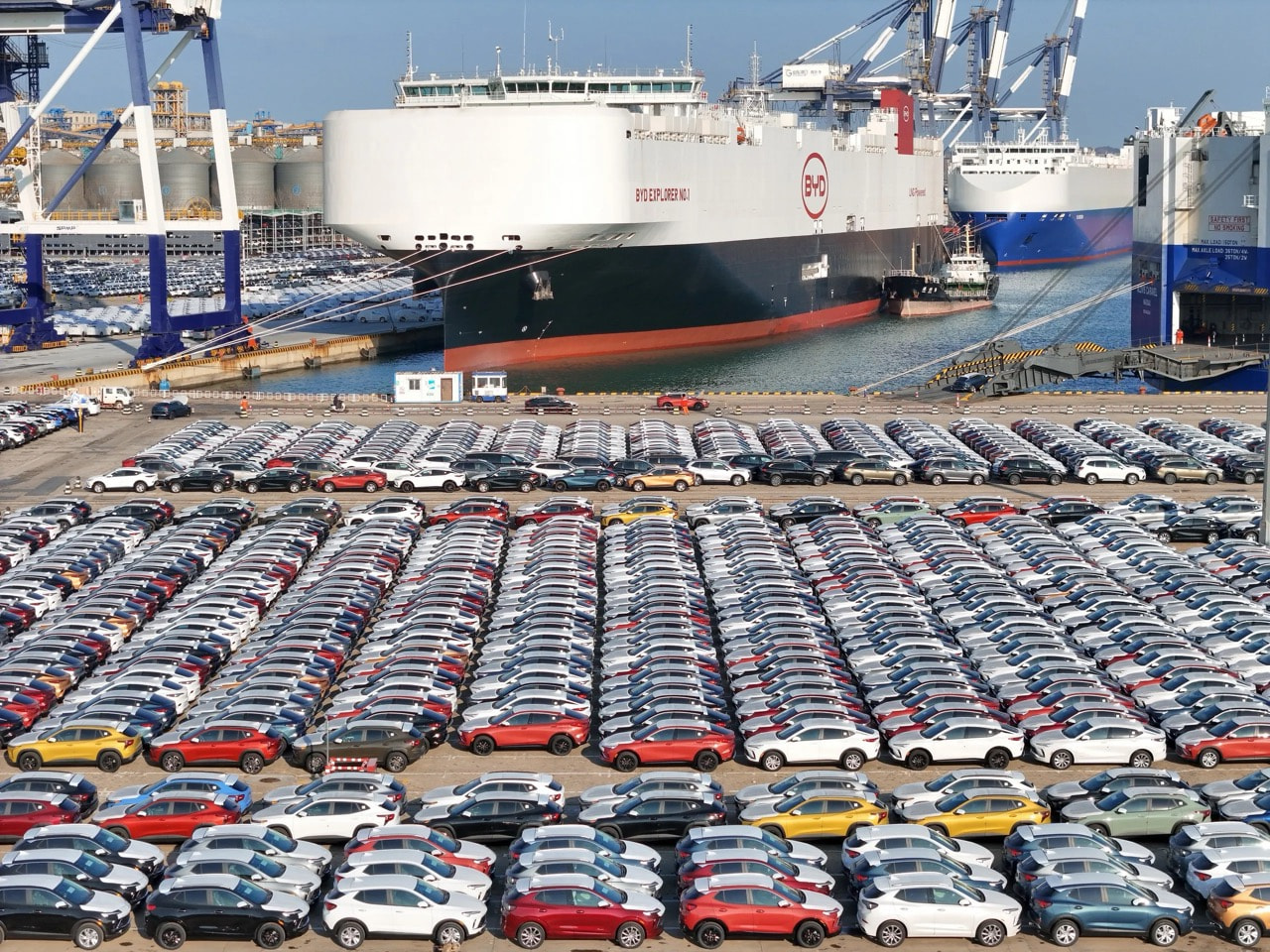
No strong and resilient plants can grow in a greenhouse. US manufacturing is barely surviving while hiding under government protection. This is not making America great again. It is locking America into backwardness and permanent lag. Let me ask: if Brazilians buy drones, will they choose DJI or US products? Even your Canadian neighbors, when they need drones, will they consider US products? If US drone companies rely solely on the US market, can they develop the strength to enter the global market? If you are a US farmer who has used DJI and marveled at its performance, then you switch to a US domestic drone. Its price is 5 times higher, but performance is worse. Would he not find a way, even through smuggling, to use DJI products?
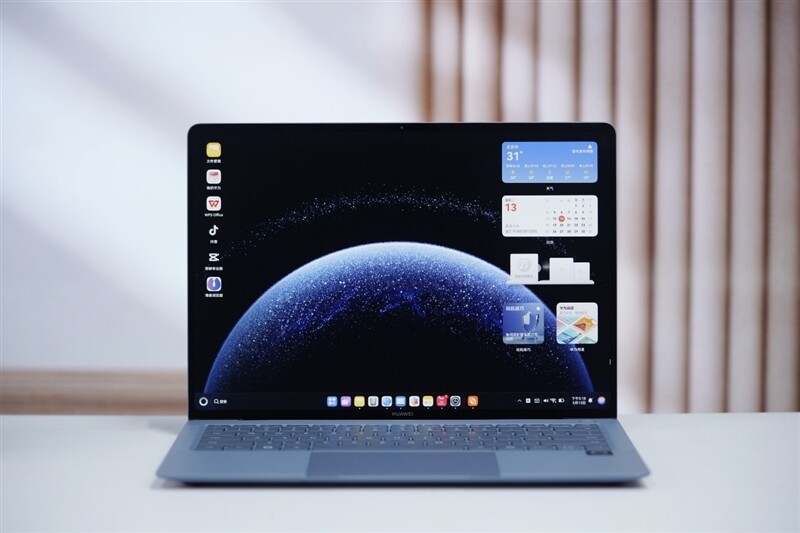
As a Chinese person, I use PC, Mac, Huawei laptops, and tablets at the same time. They suit my work in different scenarios. If I insist on using only domestic equipment, I could do it, but why? I would never migrate my entire workflow just because Huawei is a Chinese product and HarmonyOS is a Chinese operating system, sacrificing productivity for patriotic sentiment. To be honest, Huawei devices and HarmonyOS only formally met my work requirements in 2025. In 2024, I would not even glance at them. Other domestic chips and operating systems developed 20 years before Huawei are basically industrial waste. To this day, they have no competitive products. In my mind, they would only waste my time. I am not even willing to try them. What truly moves users is always product strength. Relying on government protection has no future.
I can make a simple prediction. US users cannot leave DJI, and US companies cannot replace DJI. This farce will eventually end hastily. What truly changes market patterns will always be new technologies and products, not government bans.