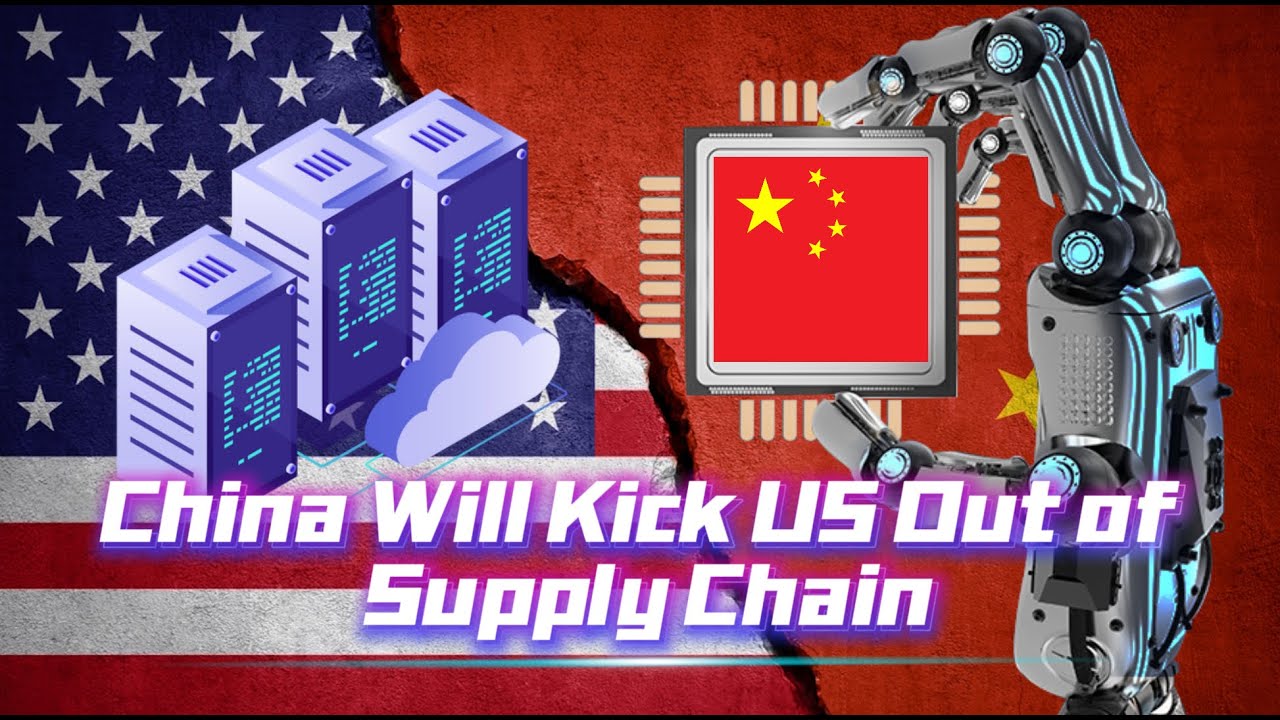
This video discusses China’s aggressive efforts to achieve semiconductor independence by building its own extreme ultraviolet lithography (EUV) machines, essentially creating a “Manhattan Project” for AI chips.
The EUV Breakthrough
-
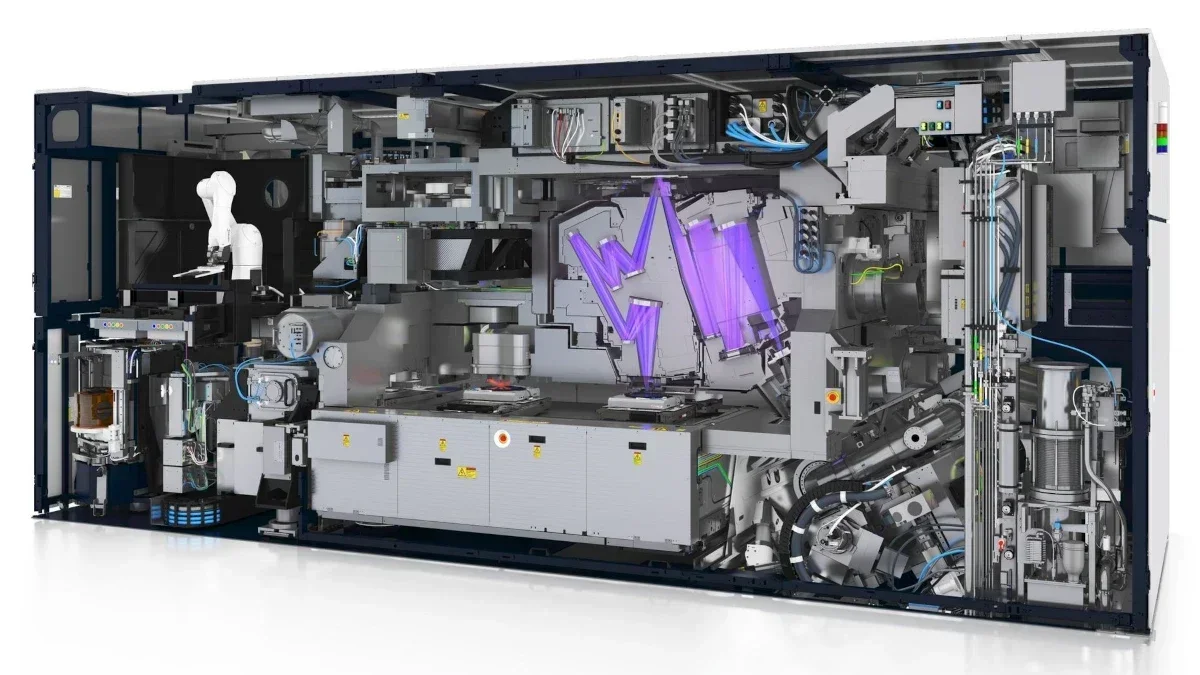
Reverse Engineering: In a high-security Shenzhen laboratory, Chinese scientists have reportedly built a prototype of an EUV machine—the hardware required to produce cutting-edge semiconductor chips.
-
Former ASML Talent: The project was reportedly built by a team of former engineers from the Dutch giant ASML who reverse-engineered the complex technology.
-
Operational Progress: While the machine is operational and successfully generating EUV light, it has not yet produced working chips.
Timeline and Technical Challenges
-
Surpassing Expectations: While Western analysts previously believed it would take China a decade to match this technology, reports suggest China could be producing working chips on this prototype by 2028 or 2030.
-
Supply Chain Hurdles: China still faces significant challenges in replicating precision optical systems. However, the availability of parts from older ASML machines on the secondary market has aided their domestic progress.
Strategic Decoupling
-
Removing Western Influence: China’s ultimate goal is to 100% remove the United States and the West from its technology supply chains. This isn’t just about the machines themselves, but every component that goes into them.
-
Forced Innovation: The speaker argues that Western sanctions and trade restrictions have effectively forced China to build its own industrial capacity and self-sufficiency.
-
Industrial Advantage: The video concludes by suggesting that China currently possesses the long-term planning, focus, and industrial capacity to succeed in this decoupling, contrasting this with a perceived lack of clear strategy in the U.S.