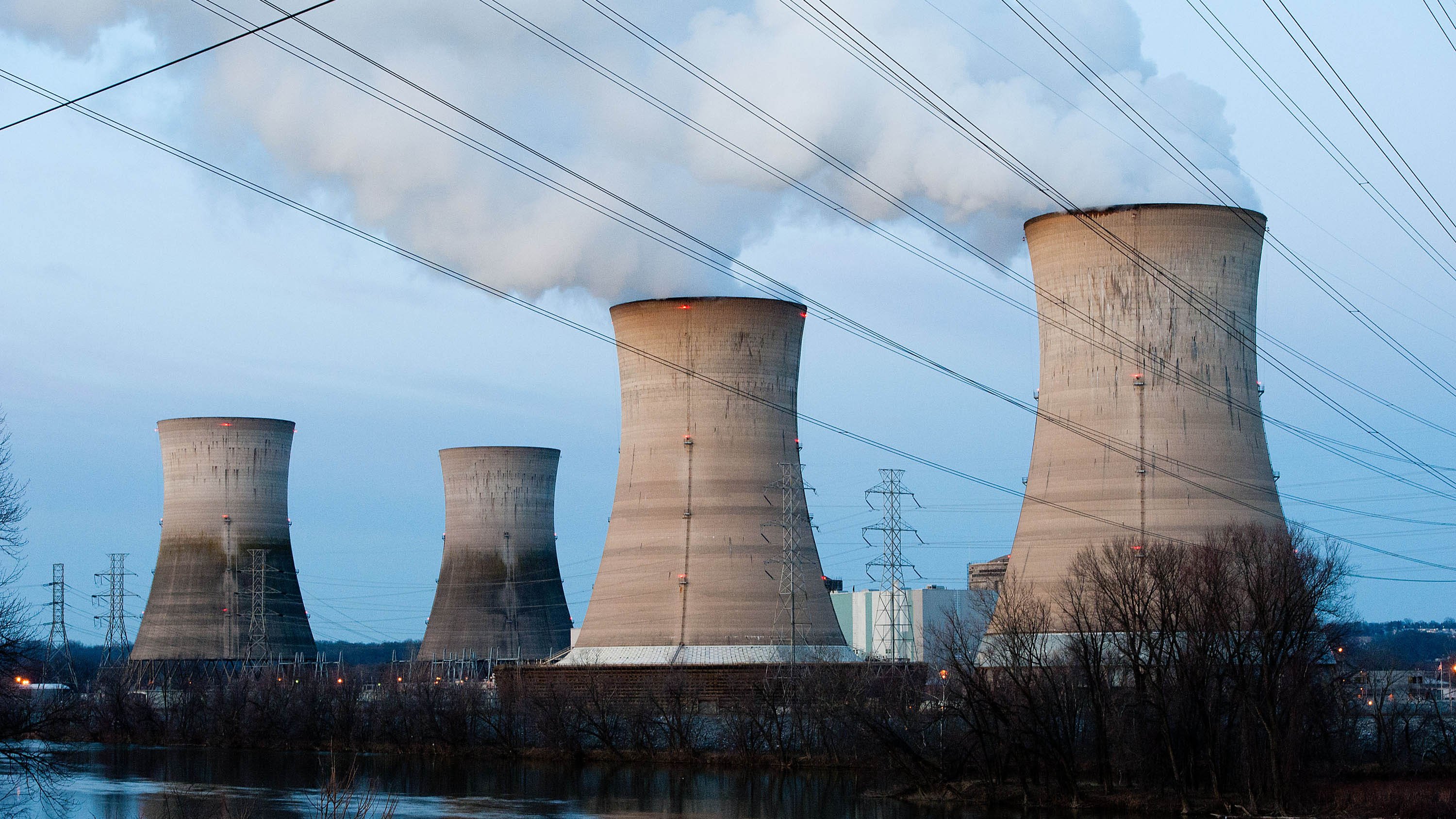
The Three Mile Island nuclear plant, infamous for the 1979 accident that became a symbol of the decline of American nuclear power, was restarted in September 2024 with a $16 billion investment from Microsoft. This event marks a significant shift. Once vilified, nuclear energy is now experiencing a global resurgence, driven by the dual pressures of the AI revolution and energy security concerns. Countries like the UK and China are approving new plants, while US tech giants like Google, Amazon, and Oracle are heavily investing in Small Modular Reactor (SMR) projects.
The fundamental driver is a new consensus: the limiting factor for AI advancement is no longer just computing power (“bits”) but physical energy (“atoms”). Data centers in the US already consume about 5-6% of peak national demand. Projections show that by 2028, new electricity demand will far outstrip what the aging US grid can supply. AI models, even in the inference phase, generate billions of daily queries whose cumulative energy need is colossal. Unlike intermittent solar or wind, nuclear provides the stable, 24/7, high-density baseload power that hyperscale data centers critically require. For tech companies, directly investing in nuclear energy has become a strategic necessity rather than waiting for slow grid upgrades.
The approaches of the US and China, however, reflect their different systems. The US, with its privatized, fragmented grid and lengthy regulatory processes, sees a bottom-up, corporate-driven push. Companies are bypassing the public system, betting on SMRs—smaller, factory-built reactors that promise faster deployment and lower upfront costs. In contrast, China’s state-controlled grid allows for a top-down, systematic national strategy. China is not only pursuing SMRs but also diversifying into advanced designs like high-temperature gas-cooled reactors and molten salt reactors, aiming for energy independence.
SMRs are the hope of the US nuclear revival, offering modularity and faster deployment. Yet, they face significant hurdles. Costs have ballooned in early projects, often exceeding those of traditional large plants. The global supply chain is complex, and regulatory approval remains uncertain, causing many projects to be delayed. A more critical challenge is fuel. Many advanced SMR designs require High-Assay Low-Enriched Uranium (HALEU), a fuel currently dominated by Russian production, creating a new geopolitical dependency for the US.
In conclusion, humanity is at an energy crossroads. Nuclear power is an indispensable, low-carbon baseload source for the AI era and climate goals. However, it must be part of a diversified system integrating renewables like wind and solar, with hydropower for storage and grid stability. Innovation in reactor designs (like molten salt or thorium-based reactors) is also crucial for long-term security and sustainability. The revival of nuclear energy is not just about building more plants, but about creating a resilient, integrated, and innovative energy ecosystem for the future.